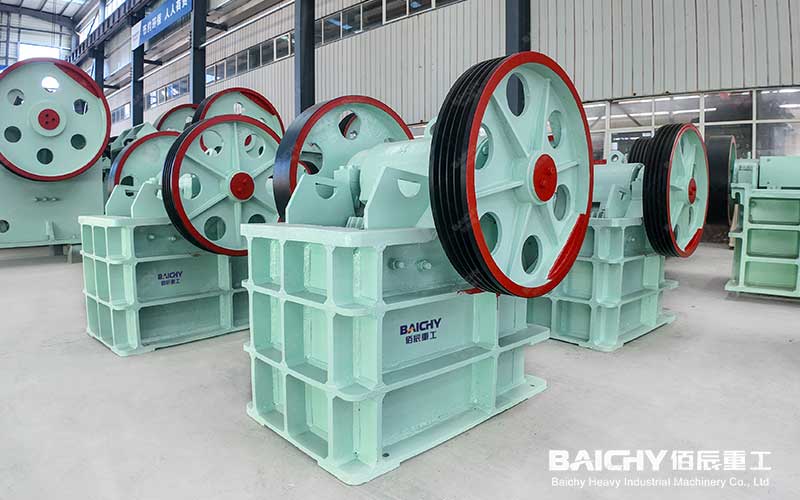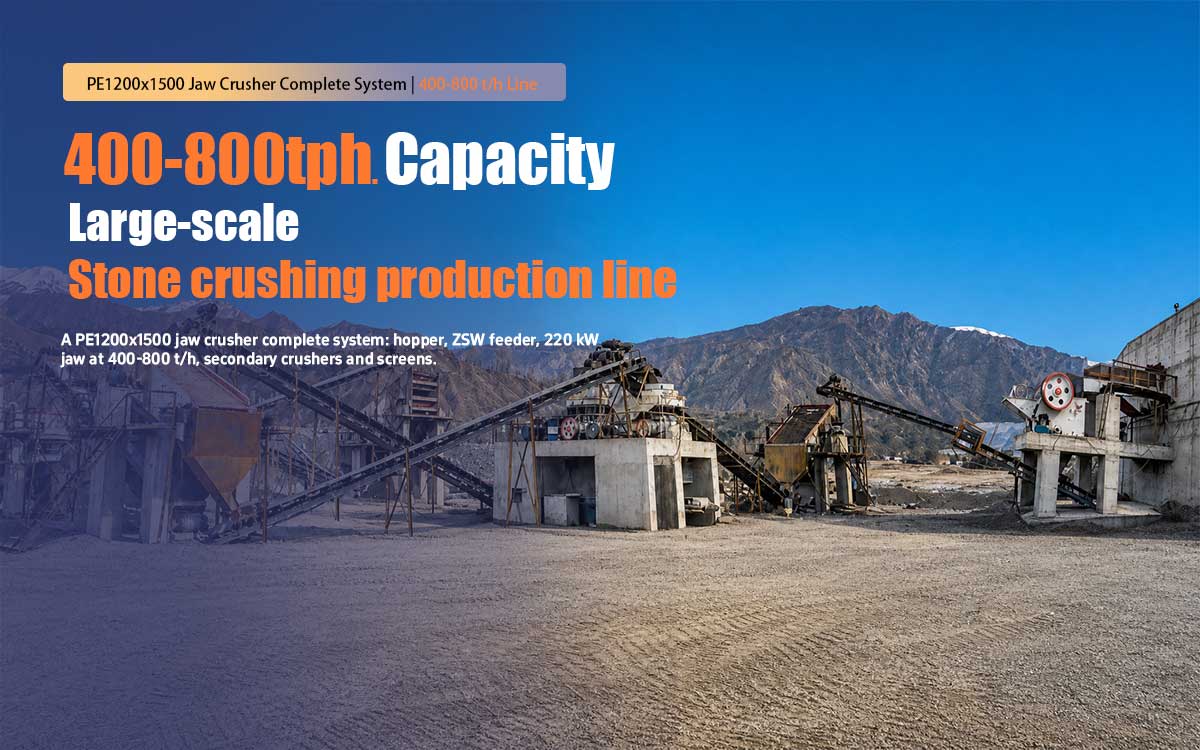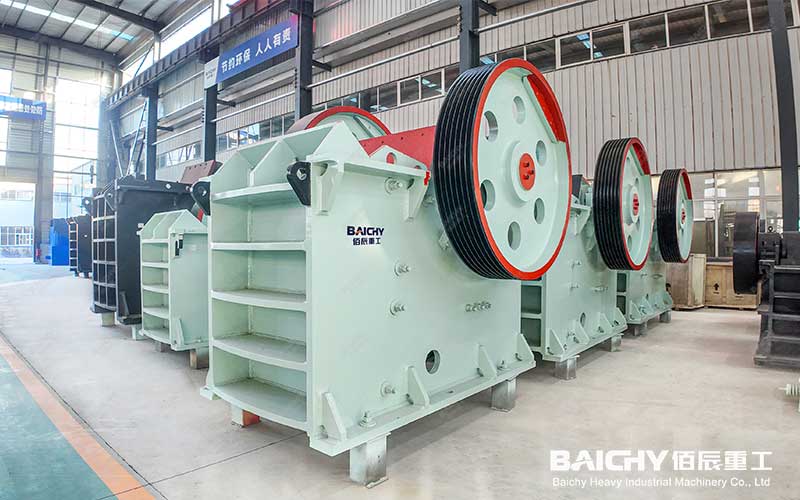
In numerous fields such as mining, building materials, and road construction, jaw crushers are hailed as first-stage crushing experts, serving as the first barrier in stone processing production lines. Like a powerful steel behemoth, it uses its tough jaws to crush massive rocks.
But many people ask a core question: just how big of a rock can this steel behemoth eat? Today, we'll delve into the secrets of jaw crusher feed size.
I. Core Answer: No Fixed Value, But a Clear Range
First, we must clarify one point: the maximum size of rock that a jaw crusher can crush is not a fixed number, but rather determined by the specific model of the equipment. Typically, this size refers to the side length of the rock, not its weight.
Generally speaking, the maximum feed size range for rocks that common jaw crushers on the market can handle is between 150 mm and 1200 mm (i.e., 0.15 m to 1.2 m). This means that rocks ranging from the size of basketballs and small buckets to giant rocks requiring an adult's embrace are all within its recipe.
• Small Jaw Crusher: Commonly used in laboratories or small quarries, with feed sizes typically below 150-400mm.
• Medium Jaw Crusher: The mainstay of sand and gravel aggregate production, with feed sizes up to 600-800mm.
• Large Jaw Crusher: Primarily used in large open-pit mines and large-scale engineering projects, easily handling giant rocks with sides exceeding 1 meter, even reaching 1.2 meters.
Simply put, the 600 in the jaw crusher model number (e.g., PE600×900) usually represents the width of its feed inlet, directly determining the maximum rock size it can accept.
II. Determining Factors: What Factors Affect the Appetite Size?
The appetite of a jaw crusher is mainly determined by the following three key factors:
1. Feed Inlet Size (The Most Direct Factor)
This is the most intuitive parameter. The width and length of the feed inlet determine whether rocks can smoothly enter the crushing chamber. Theoretically, any rock whose maximum side length is less than the width of the feed inlet can be fed in. Therefore, when selecting equipment, the first consideration should be the maximum size of the raw rock you plan to process.
2. Jaw Stroke and Oscillation Speed
The oscillation amplitude and speed of the jaw determine the force and frequency of the chewing. Excessive stroke and too slow speed may fail to effectively grip large rocks; while excessive speed may bounce the rock out, affecting crushing efficiency. A good design finds the optimal balance point, ensuring strong gripping force on large rocks and efficient throughput.
3. Characteristics of the Rock Itself
◦ Hardness: High-hardness rocks (such as granite and basalt) place a greater burden on the jaw plates and equipment structure. Therefore, when processing large, high-hardness rocks, more powerful and robust equipment is required.
◦ Particle Size Composition: If the raw material contains too much fine powder, it may affect the smooth settling of large rocks into the crushing chamber, leading to blockage. The ideal feed should contain a mixture of materials with different particle sizes.
◦ Moisture and Mud Content: Excessively wet or sticky materials are prone to sticking and clogging at the feed inlet and crushing chamber, affecting the normal processing of large rocks.
III. Important Note: Larger Feed Size is Not Always Better
Many users might think, Since it can feed 1.2-meter stones, I'll just throw in all the big ones—it's easier! This is a common misconception.
Blindly pursuing the maximum feed size often has negative consequences:
• Bridging and Clogging: Oversized rocks may get stuck at the feed inlet, forming a bridge, preventing subsequent material from entering and requiring manual cleaning, severely impacting production efficiency.
• Increased Equipment Wear: Processing rocks of extreme sizes subjectes core components such as the moving jaw, eccentric shaft, and bearings to enormous impact loads, accelerating fatigue and wear, and shortening equipment lifespan.
• Uneven Product Particle Size: Oversized stones may not be effectively crushed in one pass, resulting in incompletely crushed pieces mixed into the finished product, affecting the final particle shape and quality.
Best practice is to control the feed size to approximately 80%-85% of the equipment's maximum allowable feed size. For example, for a jaw crusher with a maximum feed opening of 1000mm, the ideal maximum feed size should be controlled at 800-850mm. This ensures stable, efficient, and low-consumption operation.
IV. How to Choose the Right Jaw Crusher for Your Project?
Choosing a jaw crusher is a systematic decision-making process:
1. Assess the raw material: Determine the type of rock you want to crush, its maximum particle size, hardness, moisture content, etc.
2. Determine capacity requirements: How many tons of material do you need to process per hour? This determines the scale of the equipment.
3. Match the output particle size: What is the desired particle size of the crushed product? This relates to the configuration of subsequent process equipment.
4. Consult professionals: Inform reliable equipment suppliers of your needs; they can provide you with the most suitable model recommendations and technical solutions.
The answer to how large a jaw crusher can process is directly found in the feed opening size in the model parameters. A deeper understanding is that this is a systemic issue requiring comprehensive consideration of equipment performance, material characteristics, and production goals. Choosing the appropriate model and scientifically controlling the feeding process are crucial to maximizing the power of this steel behemoth and creating continuous and stable value for your project.