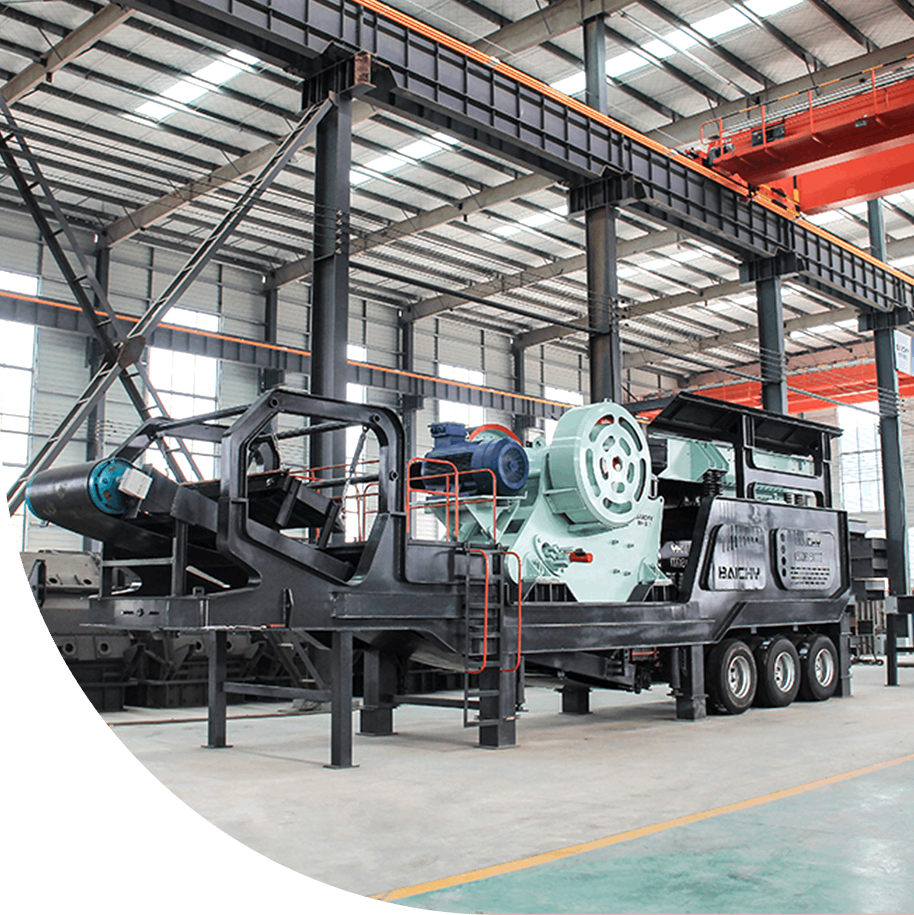

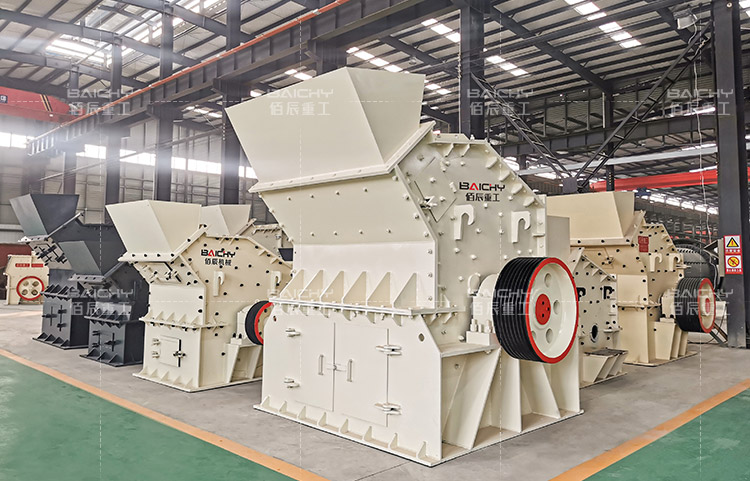
In industries such as sand and gravel aggregates, mining and metallurgy, building materials, and chemicals, crushing and screening are core processes in material handling. As key equipment for medium and fine crushing, the performance of the fine crusher directly determines the particle size and shape of the final product, as well as the efficiency and cost of the entire production line. Faced with a dazzling array of fine crusher manufacturers and suppliers in the market, making an informed choice has become a crucial issue for many business decision-makers. This is not just about purchasing equipment, but about introducing a reliable partner for the long-term development of the enterprise.
This article will take you on an in-depth exploration, going beyond simple price comparisons, and examining how to choose the ideal fine crusher partner from multiple dimensions.
I. Manufacturers vs. Suppliers: Clarifying Roles and Defining Needs
First, we need to clarify the difference between manufacturers and suppliers, as this concerns your core interests.
How to Identify the Best Fine Crusher Manufacturers and SuppliersThese are companies with independent production bases, R&D teams, and technology patents, capable of independently designing and producing fine crusher equipment. The advantages of choosing a manufacturer are:
◦ Source of Technology: Direct access to R&D ensures access to cutting-edge technical support and customized solutions.
• Controllable Quality: Direct control over raw materials, production processes, and quality inspection ensures higher quality.
• Cost Advantage: Eliminating intermediaries typically results in more competitive pricing and more direct after-sales technical support.
• Strong Innovation Capability: Continuous product iteration meets evolving market demands.
• Suppliers/Trading Companies: These typically do not manufacture equipment directly but act as agents or resellers for multiple brands. Their value lies in:
• Extensive Channels: Potentially offering multiple brand options for easy comparison.
• Local Service: Likely to have a local, responsive service team.
• One-Stop Procurement: May provide complementary equipment, simplifying the procurement process.
Decision Recommendation: For large and medium-sized projects prioritizing long-term equipment stability, advanced technology, and cost-effectiveness, direct cooperation with reputable manufacturers is a better choice. For smaller projects with simpler needs and a focus on localized, immediate service, reliable suppliers can also be considered.
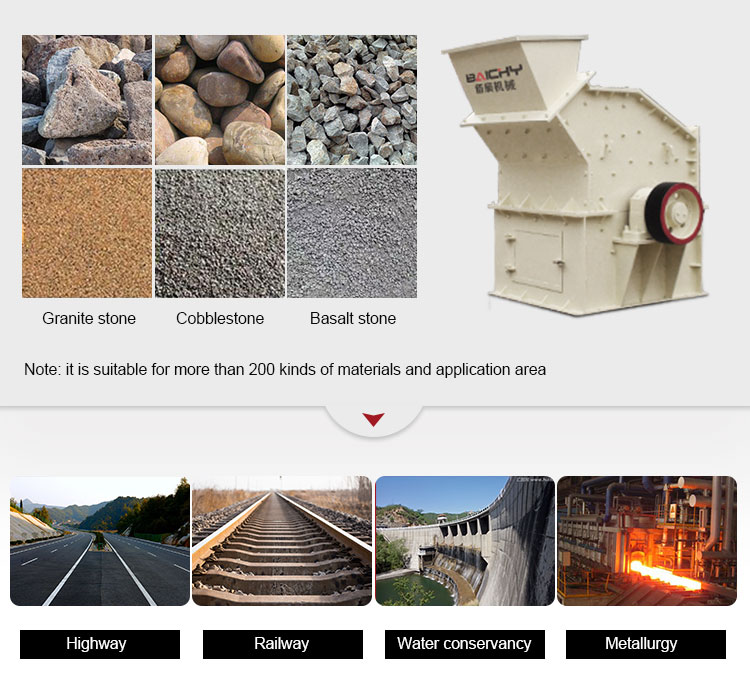
II. Five Core Dimensions for Choosing an Ideal Fine Crusher Partner
1. Technology and R&D Strength: The Core Competitiveness of the Enterprise
◦ Patented Technology: Examine whether the enterprise possesses patents for core technologies, such as unique rotor design and optimized crushing chamber shape.
◦ Equipment Performance: Focus on key indicators such as the fine crusher's processing capacity, output particle size, particle shape (cubic content), and energy consumption level.
◦ Materials and Processes: Understand the materials (e.g., high-chromium cast iron, wear-resistant alloys) and manufacturing processes (e.g., vacuum casting, heat treatment technology) used for core wear parts (e.g., hammer plates, liners), as these directly determine the equipment's service life and operating costs.
2. Product Quality and Reliability: The Cornerstone of Stable Operation
◦ Production Standards: Whether the enterprise has passed international quality management system certifications such as ISO9001.
◦ Testing Process: Understand the entire quality testing system from raw material warehousing to finished machine delivery.
◦ Case Studies: Require the provision of real customer case studies and, where possible, on-site inspections to observe the actual operating conditions of the equipment.
3. After-sales Service and Technical Support: Full Lifecycle Guarantee
◦ Response Speed: Does the company provide 24/7 technical support? Can the after-sales team arrive on-site promptly?
◦ Spare Parts Supply: Is there sufficient inventory of vulnerable parts? Are the supply channels smooth and efficient?
◦ Professional Training: Does the company provide detailed installation, operation, and maintenance training?
◦ Remote Diagnostics: Advanced manufacturers may offer IoT-based remote monitoring and diagnostic services, enabling predictive maintenance.
4. Industry Experience and Reputation: The Testimony of Time
◦ Establishment Time: A long history usually signifies deeper technological accumulation and more stable operations.
◦ Success Stories: Successful experience, especially with projects of the same or similar materials and scale, is crucial.
◦ Customer Reviews: Actively collect customer reviews from third-party platforms to understand market reputation.
5. Customization Capability and Cost-Effectiveness: Not the Lowest Price, but the Best Value
◦ Solution Customization: Can the company provide personalized crushing solutions based on your specific materials, site, and production requirements? ◦ Comprehensive Cost: Calculate the total life cycle cost, including procurement costs, energy consumption, maintenance expenses, spare parts consumption, and downtime losses. A slightly more expensive but stable and wear-resistant machine is far superior to a cheaper, more energy-intensive machine in the long run.
Choosing a fine crusher manufacturer and supplier is a systematic strategic decision. It requires you to go beyond the limitations of initial purchase costs and examine the balance between technology, quality, service, and cost-effectiveness with a long-term perspective. Establishing a long-term partnership with a top-tier manufacturer that is technologically advanced, reliable, and provides excellent service will bring continuous improvements in production efficiency and strong market competitiveness to your business.