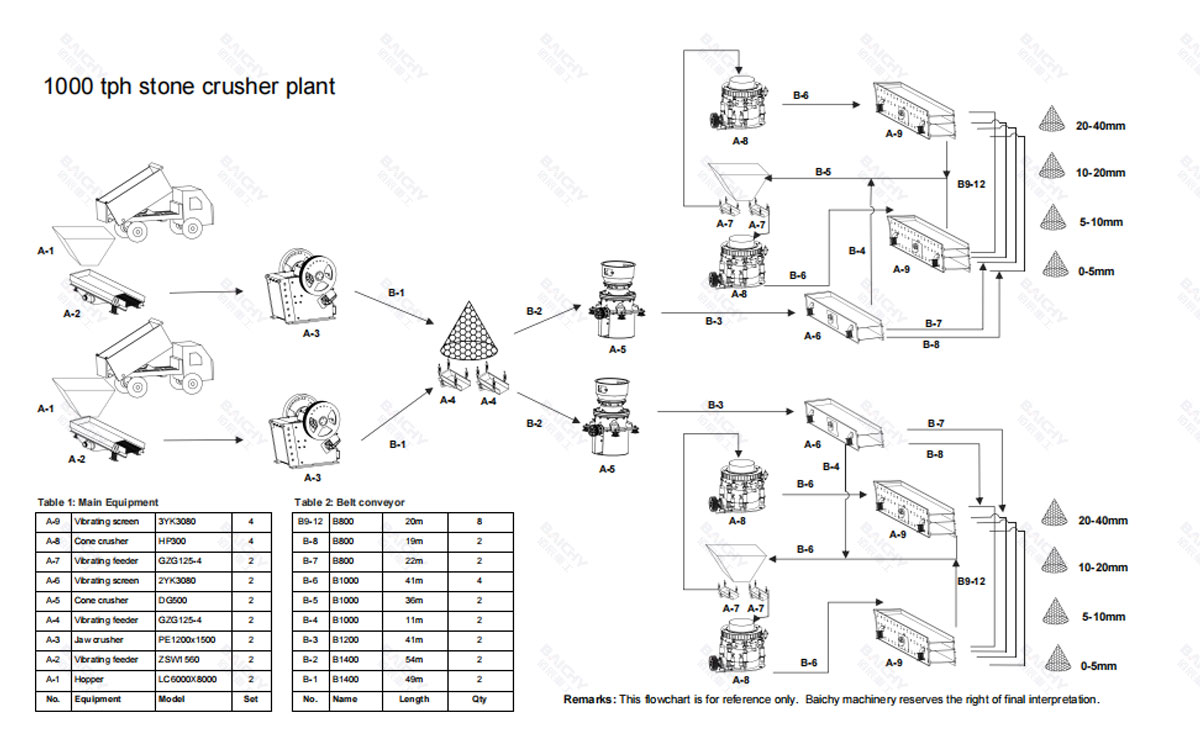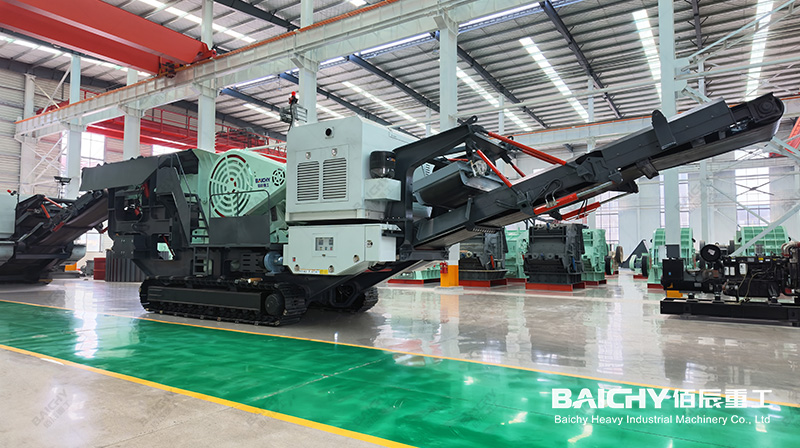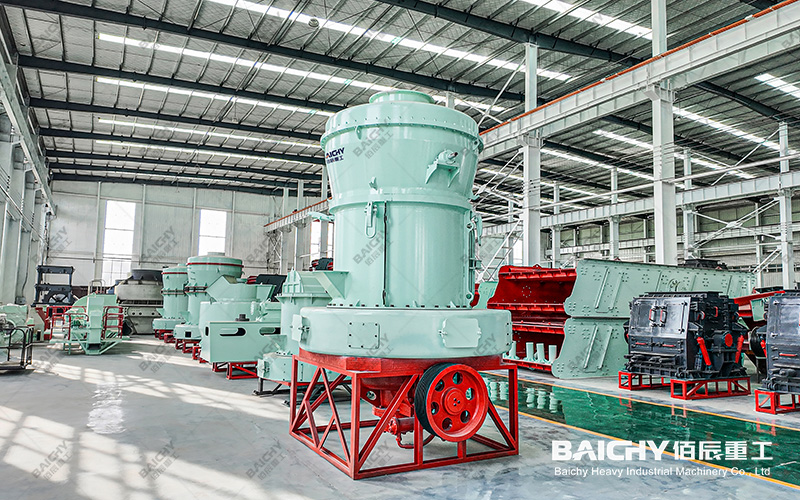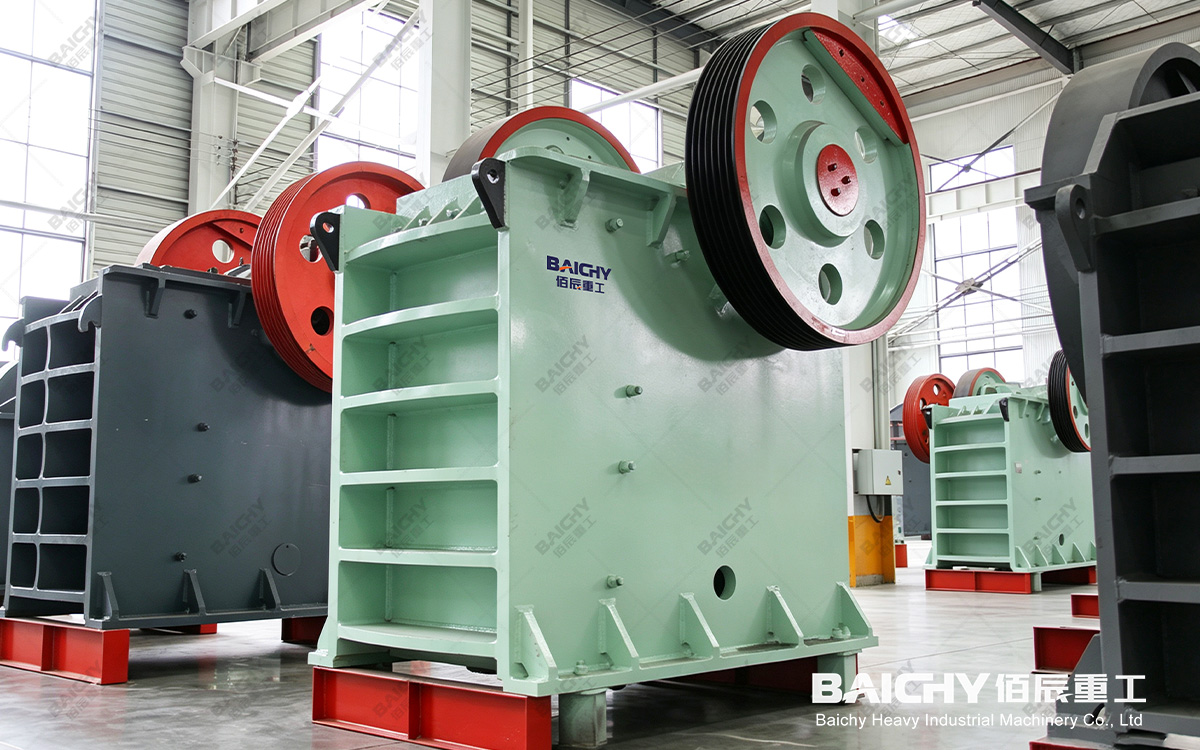

This article provides a detailed analysis of the key selection criteria for cone crushers in a 100-ton/hour hard rock (such as granite and basalt) crushing production line. The core recommendation is the HP300, G300, or equivalent multi-cylinder hydraulic cone crusher. It explains how to make the optimal choice based on the crushing stage, feed and discharge particle size, and rock abrasiveness to ensure efficient and stable operation of the production line.
Detailed Analysis and Selection Recommendations
For hard rocks (such as granite, basalt, river pebbles, diabase, etc.), the characteristics are high hardness and high abrasiveness. The core principles for selecting a cone crusher are: high wear resistance, high pressure, and good stability.
I. Core Considerations
1. Crushing Stage: Cone crushers are typically used for medium or fine crushing.
◦ Medium Crushing: Feed particle size is relatively large (e.g., 50-60mm), and discharge particle size is relatively coarse (e.g., 25-40mm). Requires a large processing capacity and a certain degree of particle shape requirement.
◦ Fine Crushing: Feed size is relatively small (e.g., 25-40mm), output size is fine (e.g., 5-15mm). High requirements are placed on particle shape and gradation, aiming for "more crushing, less grinding."
2. Feed and Output Particle Size: This is crucial in determining the model. 100t/h is the target output, but the maximum feed particle size and required output particle size directly affect equipment selection.
3. Rock Characteristics: Hard rock requires optimized cavity design and wear-resistant materials.
4. Equipment Type:
◦ Multi-cylinder hydraulic cone crusher: The first choice for processing hard rock. Its characteristics include high crushing force, layered crushing principle, good finished product particle shape, and long wear-resistant part life. High degree of automation, allowing for easy adjustment of the discharge port and overload protection.
◦ Single-cylinder hydraulic cone crusher: Relatively simple structure, price advantage, and high output. However, when processing highly abrasive hard rock, particle shape control is slightly inferior to multi-cylinder hydraulic crushers, and the different moving cone support method requires higher stability. For a 100t/h hard rock production line, a multi-cylinder hydraulic cone crusher is more recommended.

II. Recommended Model Analysis
Based on a processing capacity of 100t/h (a common scale for small and medium-sized production lines), and with a certain margin of safety (usually selected based on a factor of 1.1-1.2, i.e., 110-120t/h), the following models are recommended:
1. Processing Capacity Matching: Taking the HP300 as an example, depending on different chamber types and discharge port settings, its production capacity ranges from approximately 60-150 tons/hour. By selecting a suitable chamber type (such as a standard medium crushing chamber or a short-head fine crushing chamber), the 100t/h requirement can be perfectly matched, with a margin to cope with fluctuations in ore hardness.
2. Hard Rock Adaptability: The crushing force of these models is sufficient to handle high-hardness rocks such as granite and basalt. OEMs will provide wear-resistant parts materials (such as ultra-high manganese steel, composite ceramics, etc.) and cavity designs optimized for hard rock to extend the life of vulnerable parts.
3. Particle Shape Control: The multi-cylinder hydraulic lamination crushing principle produces more cubic particles and reduces the content of needle-like and flaky particles, which is crucial for high-quality aggregates (used in commercial concrete and asphalt pavements).
4. Automation and Maintenance: Equipped with an advanced automatic control system, it can monitor the spindle position, motor power, and cavity material level in real time, realizing automatic overload protection and discharge port adjustment, ensuring safe and stable operation of the equipment and reducing maintenance costs.
III. Specific Selection Scenarios Examples
• Scenario 1: Secondary Crushing Stage (Secondary Crusher)
◦ Feed: Product from the jaw crusher, maximum particle size approximately 200-250mm, average particle size ~80mm.
◦ Requirements: Discharge particle size ≤40mm, output 100t/h.
◦ Selection: Select the standard or medium-sized cavity model mentioned above. The equipment can achieve the target output at medium power, with low equipment wear and economical operation.
• Scenario 2: Fine Crushing Stage (Tertiary Crusher)
◦ Feed: Product from the medium crushing cone crusher, particle size approximately 25-40mm.
◦ Requirements: Output particle size ≤12mm, output 100t/h, and excellent particle shape.
◦ Selection: Select the short-head or ultra-fine-cavity model mentioned above. This requires higher power operation, resulting in greater wear on wear-resistant parts than medium crushing, but yields ideal fine material.
IV. Final Recommendations and Steps
1. Determine Process Details: Clarify whether the cone crusher is used for medium or fine crushing in your production line? What are the maximum feed particle size and target output particle size?
2. Consult Multiple Suppliers: Consult 2-3 mainstream crusher suppliers with your specific parameters (rock type, feed particle size, output requirements, target output 100t/h).
3. Request Selection Report and Solutions: Request the supplier to provide a detailed equipment selection report based on your conditions, including recommended models, chamber type, expected output, motor power, and estimated wear part lifespan.
4. Compare Solutions: Focus on the wear part lifespan and operating costs of the equipment under hard rock conditions, not just the initial purchase price.
5. Site Visit: If possible, visit a customer's site that is processing similar hard rock to understand the actual operation of the equipment.
For a 100-ton/hour hard rock crushing production line, choosing a multi-cylinder hydraulic cone crusher such as the HP300/CH430 is a very safe and efficient choice. Please communicate thoroughly with the equipment engineer to ensure that the chamber type and configuration of the selected model perfectly match your specific process requirements.