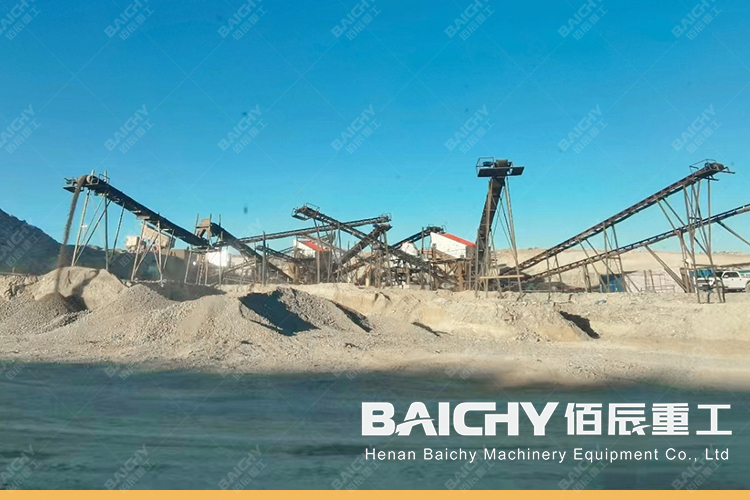
In the world of mining and large-scale aggregate production, the primary crushing stage is the undisputed cornerstone of your entire operation. It sets the tone for everything that follows. If you're targeting a production capacity of 500 tonnes per hour (t/h) or more, any inefficiency or downtime at this initial stage doesn't just slow you down—it costs you a fortune.
Many operators focus on optimizing secondary crushing or screening efficiency, only to discover that the real bottleneck is at the very beginning. This article explores the critical factors in designing a robust and efficient 500 t/h primary crushing plant that guarantees a solid return on your investment.
The Heart of the Matter: Choosing Your Primary Crusher
The choice of your primary crusher is the most significant decision you'll make. For a 500 t/h application, two main workhorses dominate the scene:
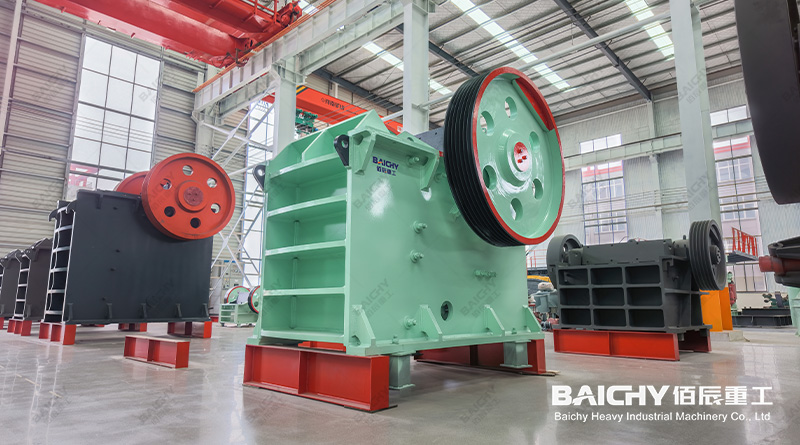
1. Large-Scale Jaw Crusher:
◦ Strengths: Known for their robustness, simple design, and ability to handle large feed sizes of hard, abrasive materials like granite and basalt. They are a reliable, lower-maintenance option for many quarries.
◦ Considerations: The reciprocating motion can lead to higher energy consumption compared to gyratory crushers at this scale, and they may require a larger footprint.
2. Gyratory Crusher:
◦ Strengths: Typically more efficient for high-capacity applications (500 t/h+). They provide a continuous crushing action, resulting in higher productivity per unit of energy and a more uniform product size.
◦ Considerations: Generally has a higher initial purchase price and is more complex to maintain. It's less suitable for materials with high clay content.
The Verdict: The choice often boils down to the material's abrasiveness, required feed size, and long-term operational cost goals. A large jaw crusher is often the preferred choice for its balance of performance, reliability, and capital cost.
Beyond the Crusher: Essential Components of a 500 t/h Plant
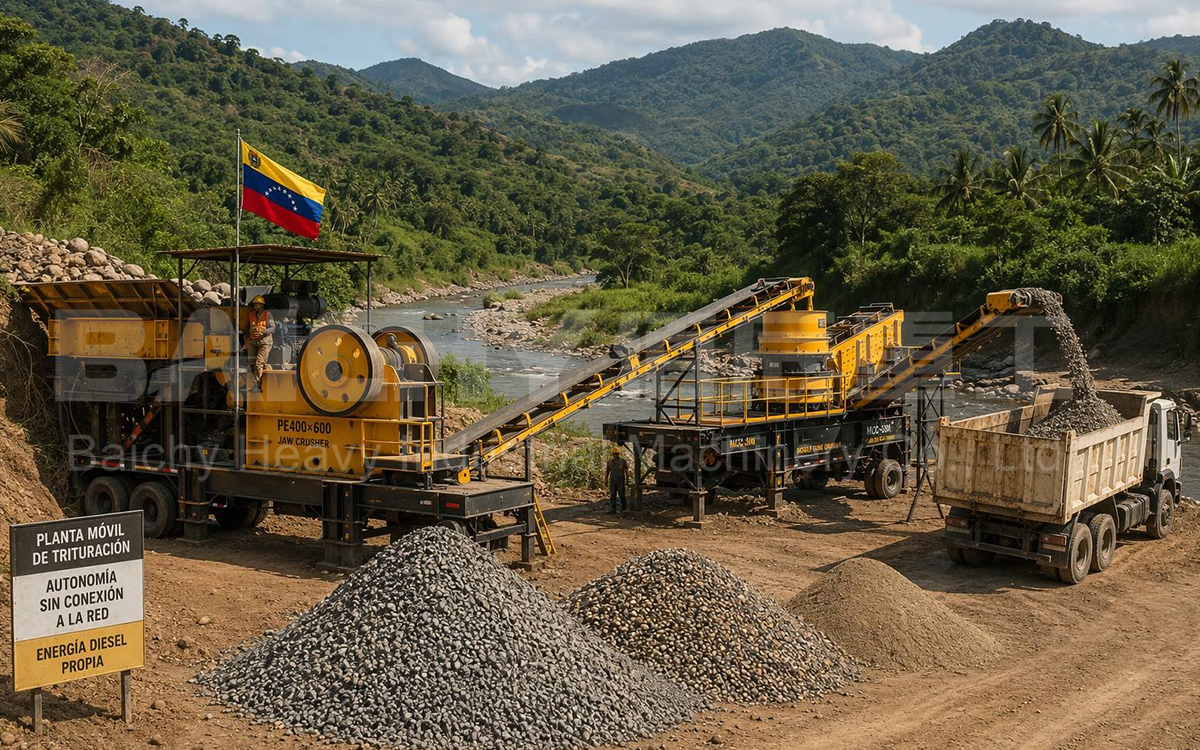
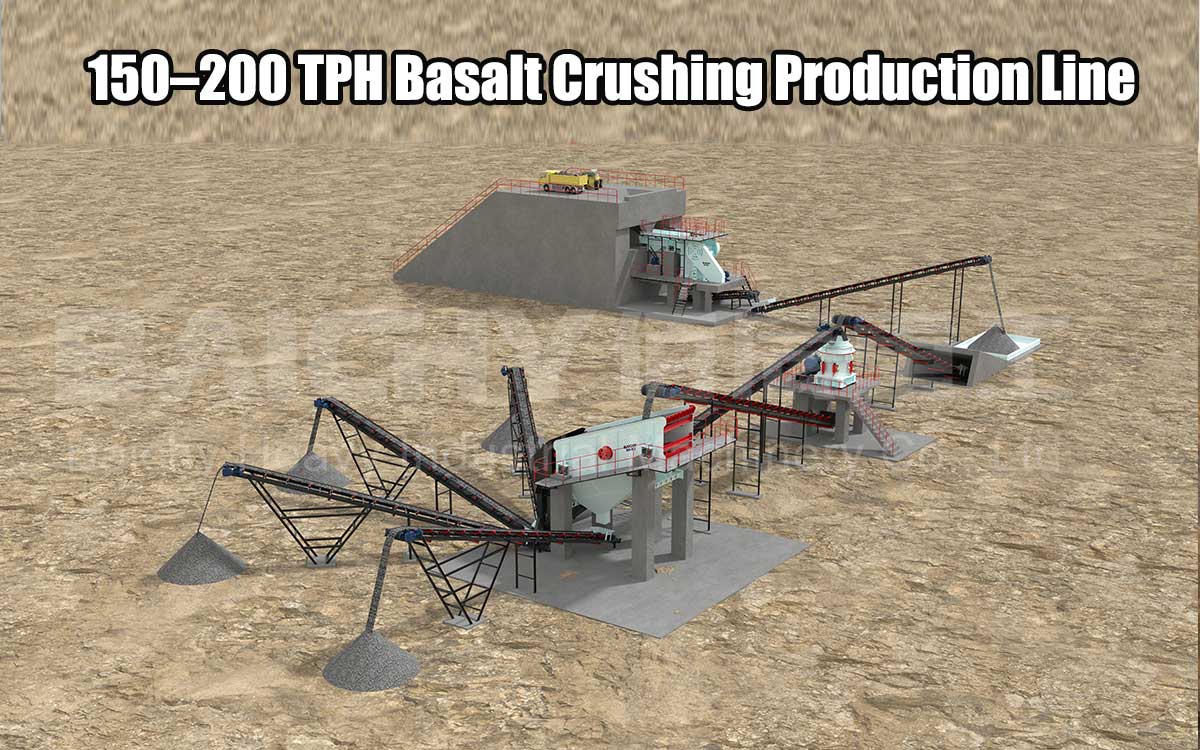
A crusher alone does not make a plant. A seamless and efficient operation depends on a perfectly synchronized system.
• The Feeder: A robust heavy-duty apron feeder or vibrating grizzly feeder (VGF) is crucial. It must consistently deliver a steady, controlled flow of material to the crusher, preventing flooding and minimizing wear.
• The Conveyor System: After primary crushing, a high-capacity conveyor belt system must be designed to handle the 500 t/h output without bottlenecks. This includes impact-resistant belts and proper transfer points.
• Civil Works & Plant Layout: A well-designed layout minimizes material travel distance, reduces dust, and allows for safe and easy maintenance access. Proper foundational support for the massive equipment is non-negotiable.
Key Strategies for Maximizing Uptime and Profitability
1. Invest in Quality & Durability: For a 500 t/h operation, opting for the cheapest wear parts is a false economy. High-quality manganese steel jaws and liners last significantly longer, reducing change-out frequency and maximizing production time.
2. Embrace Smart Design: Consider a "pitman" style or modular plant design that allows for easier maintenance. Easy access to the crusher cavity and other components can cut maintenance downtime by hours.
3. Plan for the Unexpected: Your design must include provisions for clearing blockages safely and efficiently. A hydraulic system for adjusting crusher settings and clearing jammed material is a valuable investment.
4. Think About the Future: Can the plant be easily expanded if production needs increase? A forward-thinking design can save immense costs down the line.
Conclusion: It's About a Holistic Solution, Not Just a Machine
A 500-tonne-per-hour primary crushing plant is a major capital investment. The goal is not just to buy a large crusher, but to implement a comprehensive, integrated solution that delivers consistent throughput, minimizes unplanned downtime, and offers the lowest cost per ton over its entire lifecycle.
The critical question to ask any equipment supplier is not just "How much does the crusher cost?" but "How will your entire solution ensure my plant operates at peak efficiency, 24/7?"