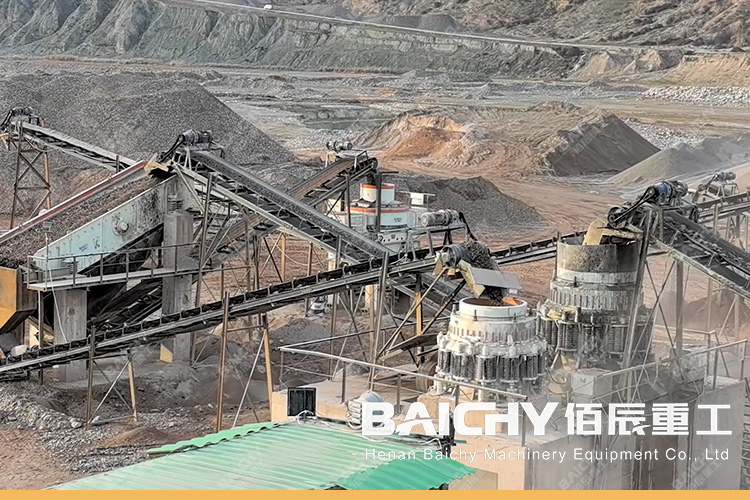
With the booming development of Indonesia's infrastructure and construction industry, the demand for high-quality sand and gravel aggregates continues to grow. A limestone crushing production line with a capacity of 80-100 tons per hour is the ideal configuration to meet this market demand. This article will provide an in-depth analysis of the core equipment, process flow, investment advantages, and key points for localized operation in Indonesia, ensuring the success of your project.
I. Why Indonesia? Why 80-100 tons/hour?
As Southeast Asia's largest economy, Indonesia is on a fast track of urbanization and infrastructure construction. Projects for highways, ports, residential areas, and industrial parks are springing up everywhere, creating an extremely strong demand for sand and gravel aggregates—the core raw material for concrete.
A capacity of 80-100 tons per hour represents a market-proven "sweet spot":
• Moderate scale, high return on investment: It can meet the stable supply needs of small and medium-sized project contractors and also serve as a satellite plant for large commercial concrete plants. The investment threshold is relatively reasonable, and the payback period is controllable.
• High Flexibility: Production time can be adjusted flexibly according to orders, avoiding the embarrassment of overcapacity or undercapacity.
• Wide Application: The produced aggregates (such as 0-5mm, 5-10mm, 10-20mm, 20-31.5mm, etc.) are perfectly suited for various applications such as concrete mixing plants, cement plants, and road water-stabilized layers.
II. Stable and Efficient Crushing "Heart"
A successful production line begins with the right equipment selection. For the moderately hard and abrasive limestone in Indonesia, we recommend the following efficient and reliable configuration:
1. Feeding Stage: Vibrating Feeder
◦ Function: Evenly and continuously feeds limestone from the raw material hopper into the jaw crusher, preventing material blockage; it is the "metronome" of the production line.
◦ Key Point: Equipped with grid bars, it can pre-screen out soil and fine fragments during feeding, improving primary crushing efficiency.
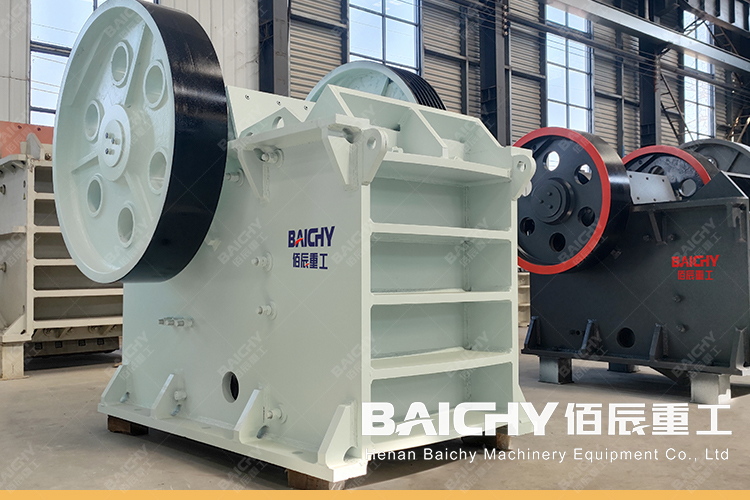
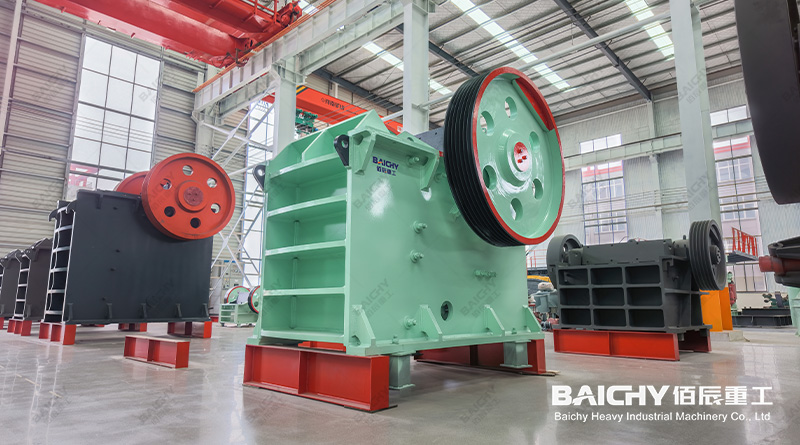
2. Primary Crushing (Coarse Crushing): Jaw Crusher
◦ Recommended Model: PE-600×900 or equivalent.
◦ Advantages: Robust structure, high processing capacity, ideal for crushing high-hardness materials. Can crush large limestone pieces (≤500mm) to a medium particle size of approximately 100-150mm in a single pass.
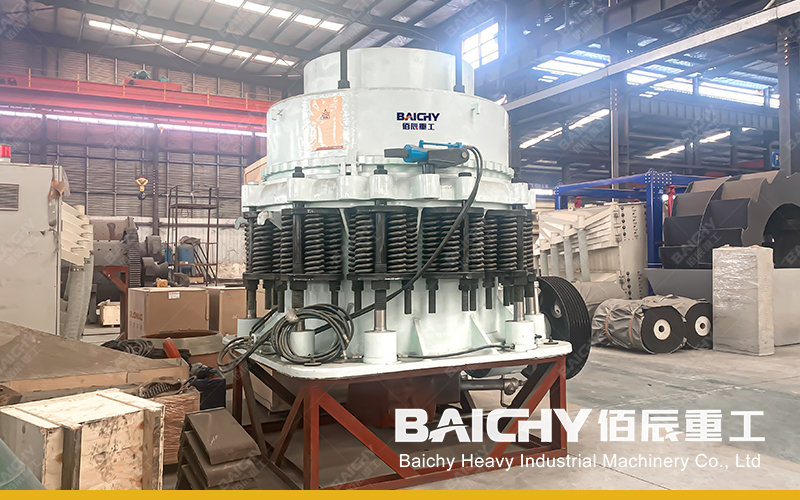
3. Intermediate Crushing (Medium Crushing): Impact Crusher or Cone Crusher
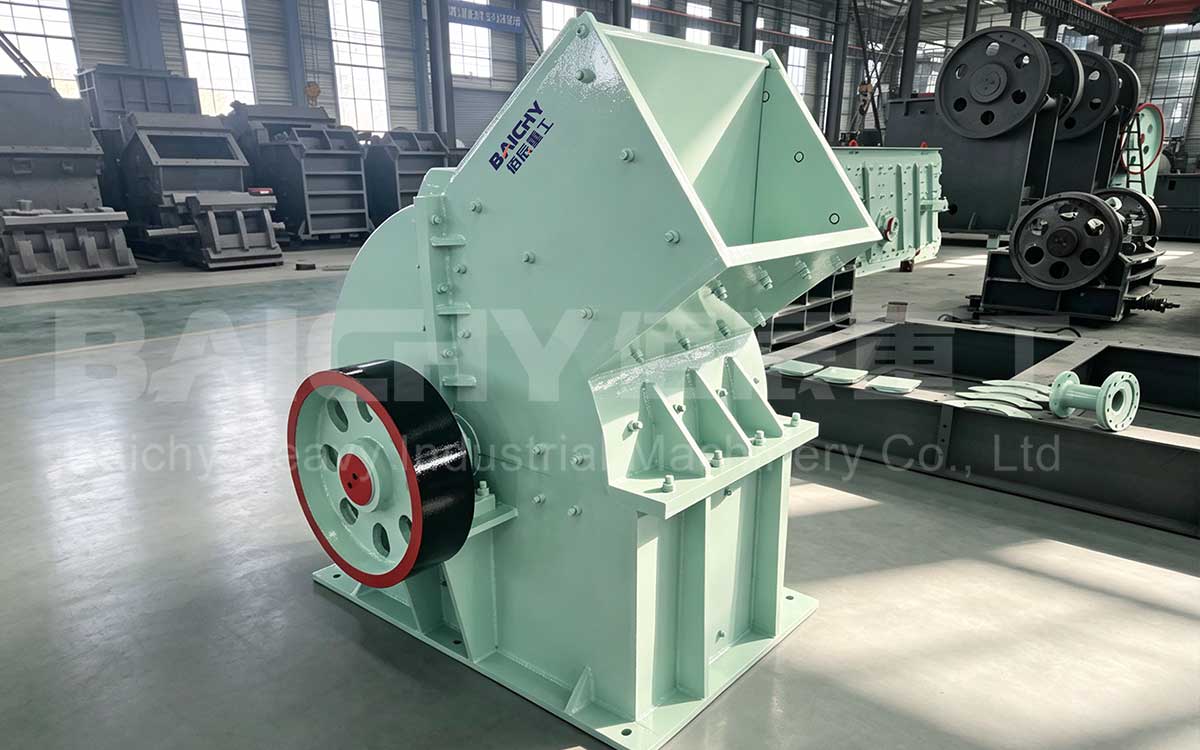
◦ Option A (Impact Crusher): PF-1214 or PF-1315. Suitable for scenarios where limestone hardness is not high, but high requirements are placed on the finished product particle shape. The finished product is mostly cubic with excellent gradation, but wear parts wear relatively quickly.
◦ Option B (Cone Crusher): Suitable for customers with slightly higher material hardness or those seeking lower operating costs. Long wear-resistant parts life, stable operation, but the finished product particle shape may be slightly inferior to that of an impact crusher.
◦ Decision Recommendation: If the limestone has a low silica content, prioritize an impact crusher to obtain better aggregate shape, improving concrete strength and selling price.
4. Screening Stage: Circular Vibrating Screen
◦ Recommended Model: 3YK-1860 or 2YK-1860 (2-3 layers of screens).
◦ Function: Precisely classifies the mixed material after medium crushing into different sizes (e.g., 0-5mm, 5-10mm, 10-20mm, etc.). Large, unqualified particles are returned to the crusher for further crushing, forming a closed-loop cycle to ensure high yield.
5. Conveying and Supporting Facilities: Belt conveyors connect all stages, dust collectors ensure environmental compliance, and the electrical control system enables intelligent centralized control.
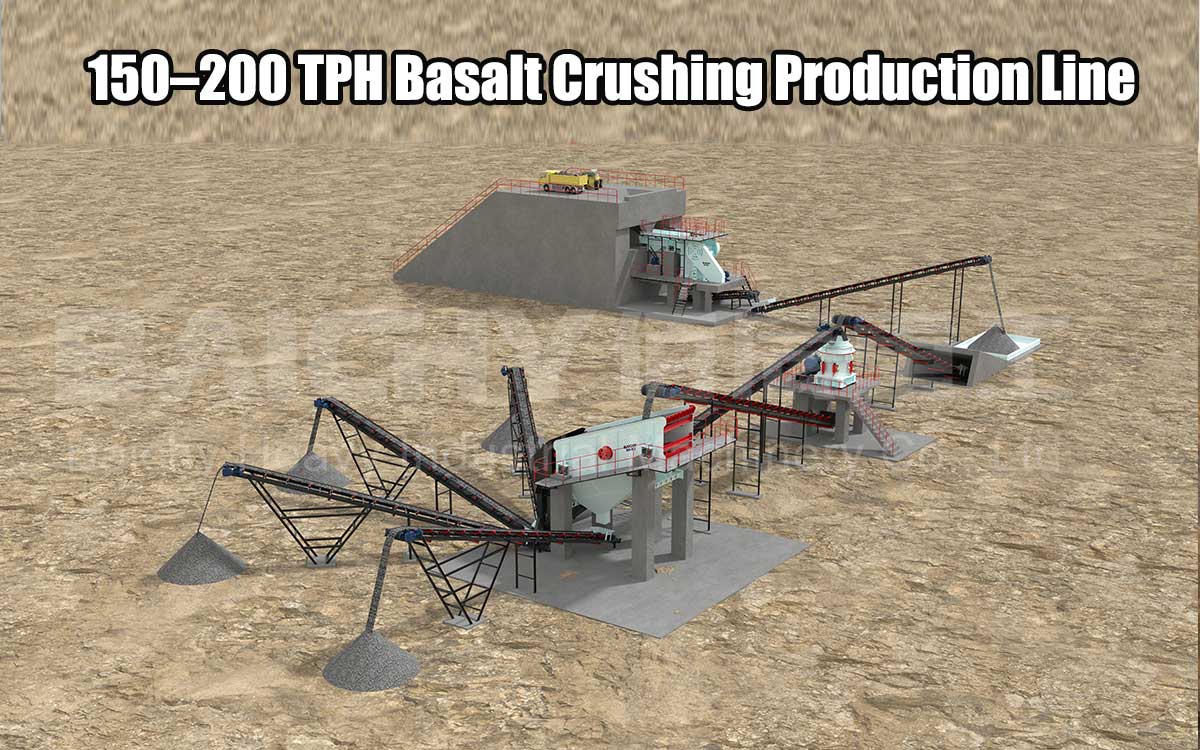
III. Detailed Process Flow (Closed-Loop Cycle)
Raw Materials → Vibrating Feeder → Jaw Crusher (Coarse Crushing) → Belt Conveyor → Impact Crusher/Cone Crusher (Medium Crushing) → Belt Conveyor → Circular Vibrating Screen (Screening) → Qualified Products (Enter Different Finished Product Stockpiles) | Unqualified Products (Return to the Medium Crusher for Further Crushing).
This process ensures high efficiency, high yield, and stable product quality.
IV. Core Advantages of Investing in this Production Line
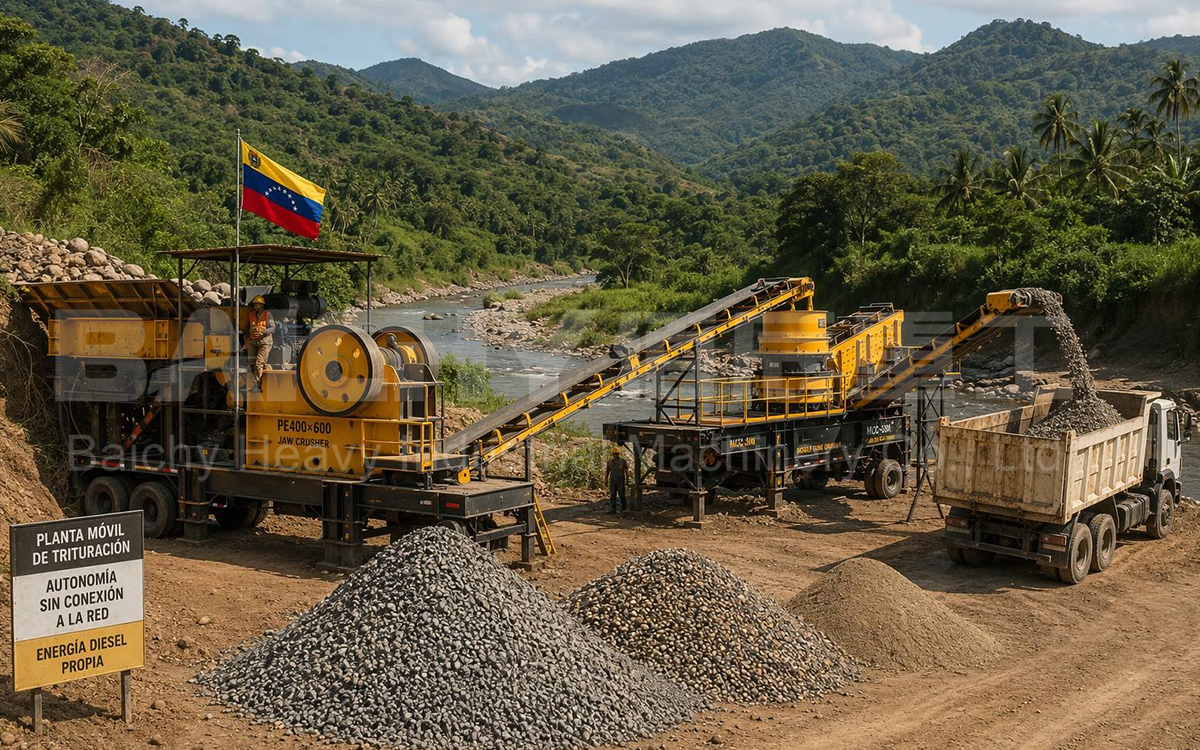
• Strong Local Adaptability: The equipment design fully considers Indonesia's high temperature and humidity climate and potential power fluctuations, ensuring stable operation.
• High Cost-Effectiveness: The 80-100 tons/hour capacity and equipment configuration achieve an optimal balance, resulting in low unit energy consumption and controllable operating costs.
• Environmental Compliance: The entire line is equipped with sealed covers and pulse bag filters, fully complying with local Indonesian environmental regulations and achieving green production.
• Quick Return on Investment: With stable product quality and strong market demand, the investment payback period is short, and profitability is strong.
V. Advice for Indonesian Investors
1. Site Visit: Thoroughly analyze the hardness, moisture content, and silica content of the limestone raw material. This is fundamental for equipment selection.
2. Choose a Reliable Supplier: Prioritize suppliers with offices in Indonesia or successful case studies, ensuring timely installation, commissioning, and after-sales support.
3. Pay Attention to Environmental Approvals: Understand the environmental requirements of the plant site in advance to ensure smooth environmental impact assessment approval.
4. Future Scalability: Plan for future capacity increases (e.g., to 150 tons/hour) during the planning stage.
A well-designed and reliable limestone crushing production line with a capacity of 80-100 tons/hour is a powerful tool for capitalizing on Indonesia's infrastructure boom. It's not just a machine for producing aggregates, but a "gold mine" that continuously creates value.
If you are planning to invest in and build a plant in Indonesia, please feel free to contact us. We have extensive experience in Indonesian projects and can provide you with a one-stop turnkey project service from site survey, scheme design, equipment supply to installation and commissioning, helping your business get off to a stable start!