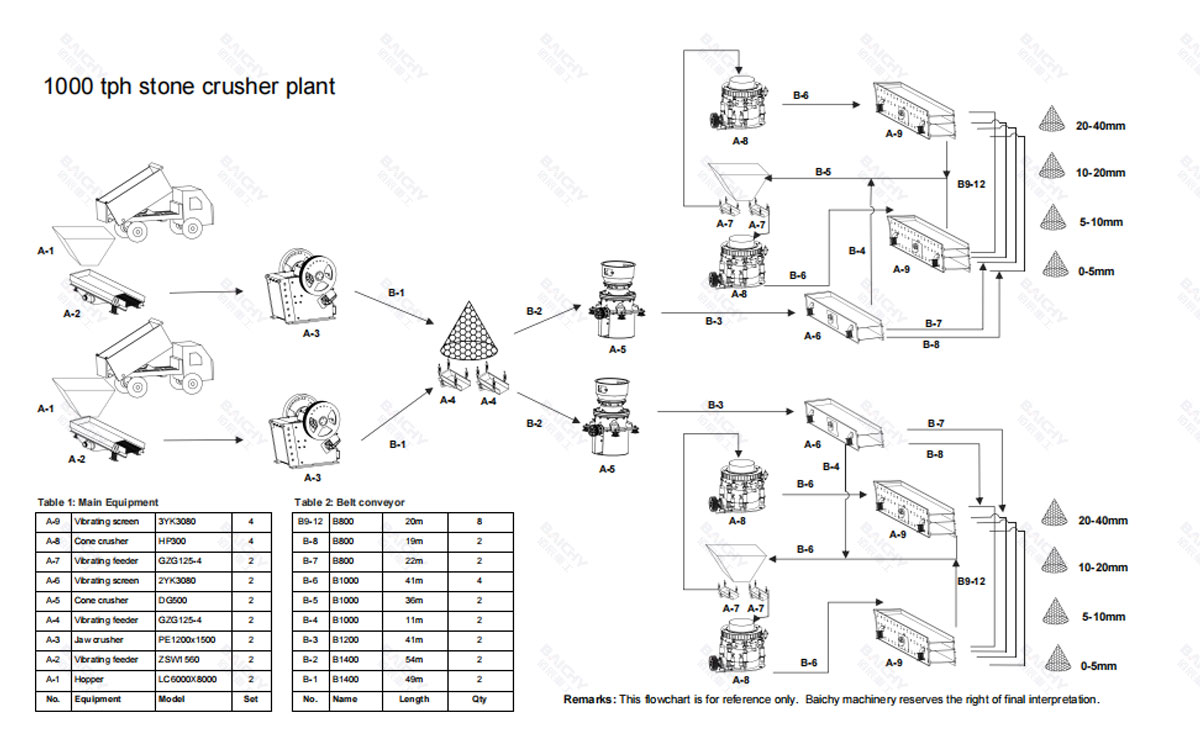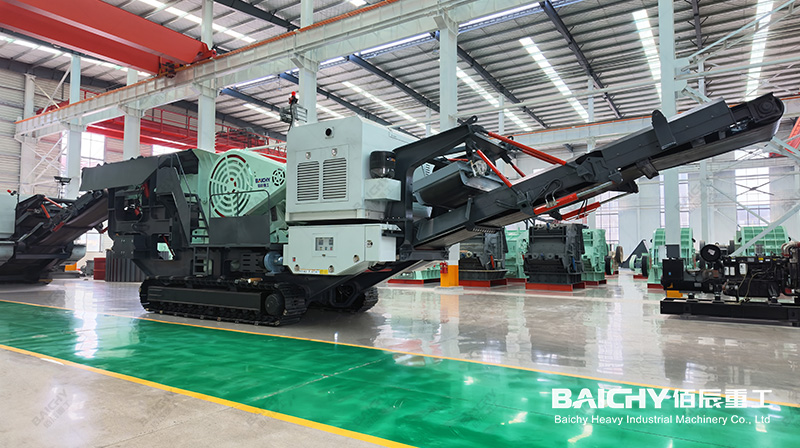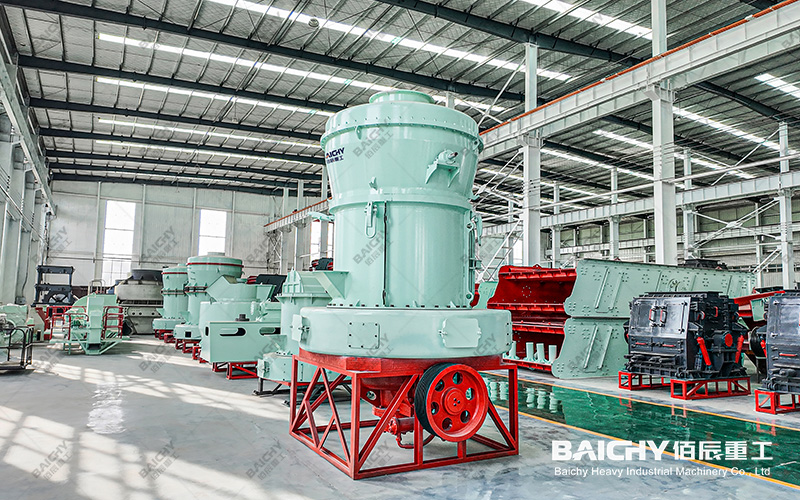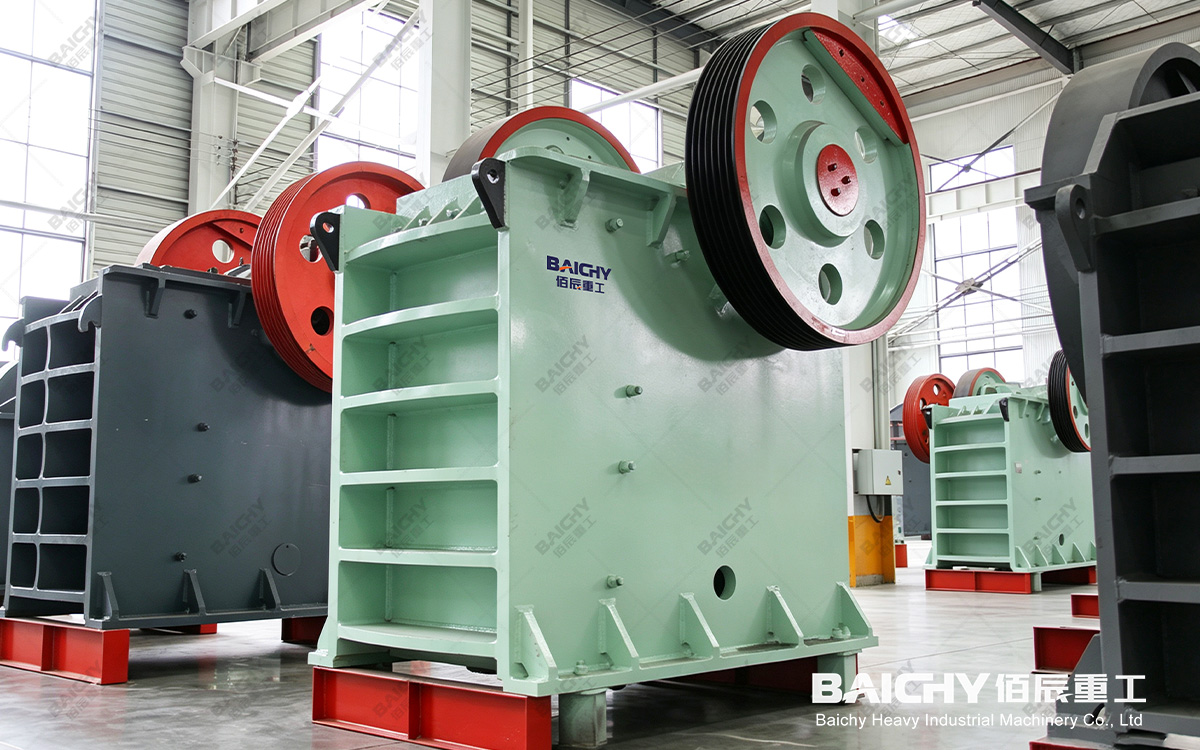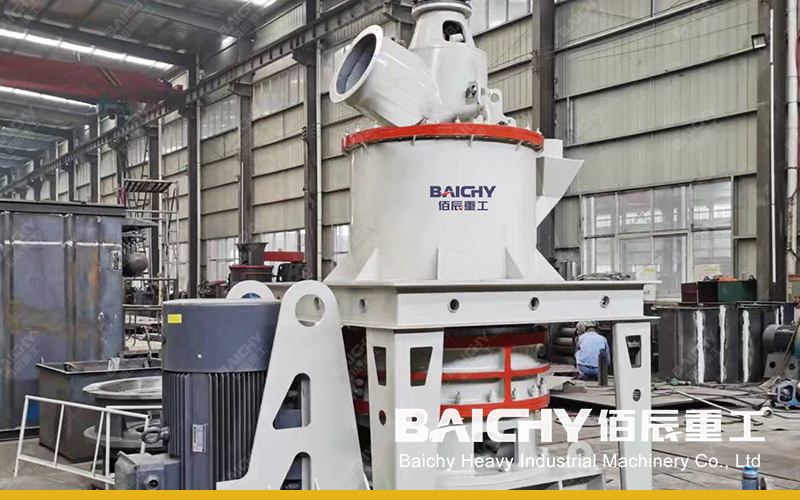
In the field of non-metallic mineral powder grinding, HGM ultrafine grinding mills are renowned for their stable performance and excellent fineness. However, upon closer examination, you'll often hear about models like HGM80 and HGM100, and more importantly, configurations like 21-roller, 24-roller, and 28-roller mills. What secrets lie behind these numbers? Today, we'll delve into the details to help you make the wisest decision when selecting a mill.
I. Foundation First: Understanding the Working Principle of HGM Ultrafine Grinding Mills
The HGM series ultrafine grinding mill is an advanced piece of equipment that utilizes the "ring roller milling" principle. Its core workflow can be summarized as follows:
1. Crushing: After initial crushing by a jaw crusher, the material is conveyed to a storage silo by an elevator.
2. Feeding: A vibrating feeder evenly and continuously feeds the material into the main grinding chamber.
3. Grinding: This is the most crucial step! The central shaft inside the main mill drives the rotating frame, with multiple grinding roller assemblies suspended at the ends of the frame. The grinding rollers, under centrifugal force, are pressed tightly against the grinding ring, rolling and grinding the material falling into it.
4. Classification and Collection: The fine powder after grinding is blown up by the fan airflow and passes through the classifier above. Powder that meets the fineness requirements passes through the classifying impeller and enters the powder collector for collection as the finished product; unqualified coarse powder falls back to the grinding disc for re-grinding.
Therefore, the grinding rollers are the "main force" directly performing the grinding task, and their number, size, and layout directly determine the efficiency and capacity of the equipment.
II. Core Unveiling: The True Meaning of 21, 24, and 28 Roller Configurations
You can imagine the grinding chamber as a circular track, and the grinding rollers as the "athletes" on the track. Increasing the number of rollers essentially increases the "force density" and grinding frequency in the grinding area within a limited space.
• 21-roller configuration: Typically corresponds to small and medium-sized models (such as HGM80)
◦ Features: Basic and efficient configuration. Each grinding roller has sufficient space for thorough crushing, suitable for medium-fine powder processing (200-800 mesh) where output requirements are not extremely stringent but stable operation and lower investment costs are desired.
◦ Applicable materials: Calcite, limestone, marble, and other medium-hardness materials.
• 24-roll configuration: Typically corresponds to medium to large models (e.g., HGM100)
◦ Features: Increases the grinding contact area compared to the 21-roll configuration, offering optimal performance and consistency. Under the same power, it can effectively increase output by approximately 15-20%, or, under the same output, more easily achieve finer powder particle sizes (800-1250 mesh).
◦ Applicable materials: Widely used in the ultrafine processing of high-value-added non-metallic minerals such as barite, potassium feldspar, talc, and gypsum.
• 28-roll configuration: Typically corresponds to large or reinforced models (e.g., HGM130)
◦ Features: This is the top-of-the-line configuration designed for high-volume, high-precision applications. Boasting the largest grinding area and strongest crushing capacity, it is designed to meet the stringent requirements of extremely high output (several tons per hour) and extremely fine particle size (1250-2500 mesh) in large-scale industrial production.
◦ Applicable Materials: High-hardness materials (such as quartz, alumina), new materials requiring high purity (such as battery materials, fine ceramic raw materials), and projects requiring large-scale processing.
III. How to Choose: More Than Just the Number of Rollers
While the number of rollers is crucial, selection is a systematic process that must be comprehensively considered:
1. Material Characteristics: Hardness, moisture content, feed particle size, and finished product fineness requirements are primary factors. High-hardness materials may require a more powerful mainframe to drive more grinding rollers.
2. Target Output: Clearly define your hourly or annual output target; this is key to deciding between a 24-roller and a 28-roller system.
3. Investment Budget: More rollers mean a larger model, resulting in higher equipment prices and subsequent maintenance costs. The return on investment must be weighed.
4. System Compatibility: Auxiliary equipment such as feeders, crushers, classifiers, and dust collectors must also match the production capacity of the main unit to achieve maximum efficiency.
21-roll, 24-roll, and 28-roll mills are not merely numerical increases; they represent precise performance gradations of HGM ultrafine grinding mills to meet the needs of different customers and application scenarios. Understanding the logic behind this will help you see through marketing jargon, get to the core of equipment selection, and find the truly capable machine that can create value for you.