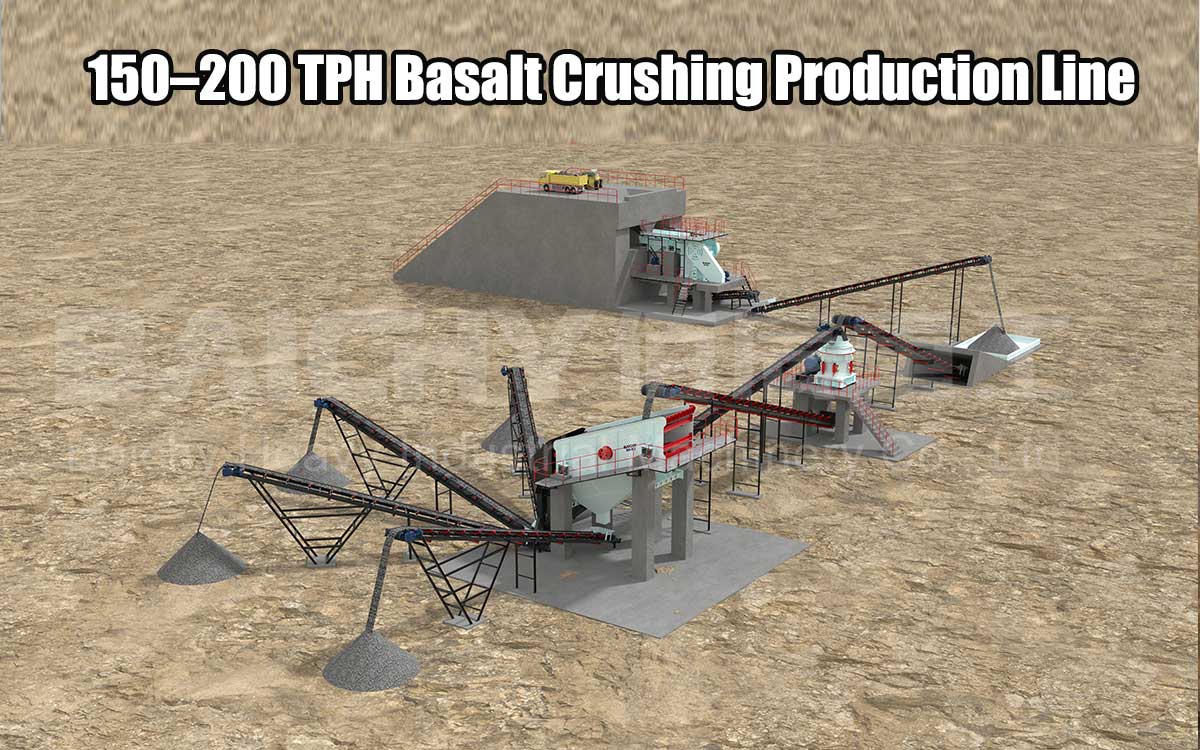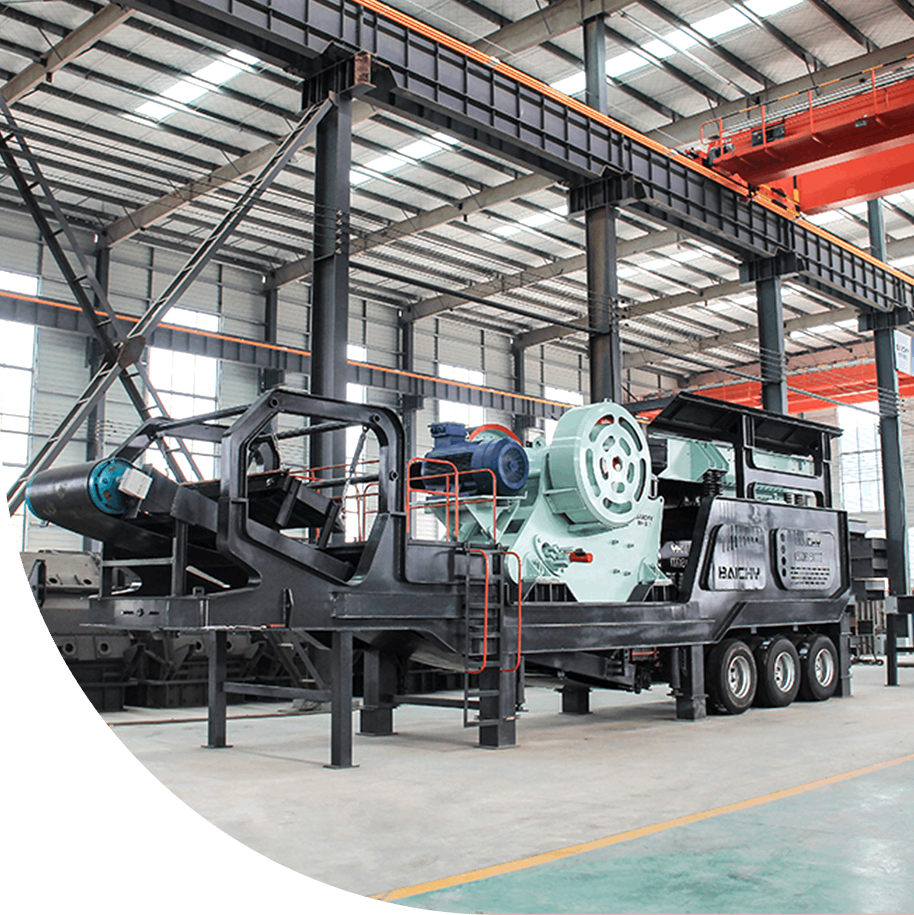

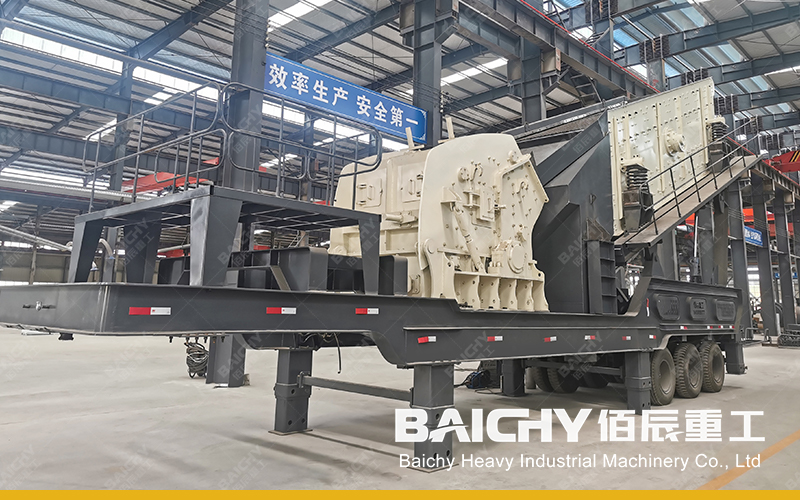
Are you familiar with this scene at a traditional sand and gravel aggregate production or construction waste processing site? Fixed production lines, massive infrastructure construction, complex equipment installation, and high relocation costs… these pain points are hindering the efficiency and effectiveness of projects. Now, an innovative solution is sweeping the engineering field the mobile impact crusher. It's not just a crusher; it's a modern crushing plant that can move freely.

Mobile Crushing Plant PDF, Download ↓↓↓
I. What is a Mobile Impact Crusher?
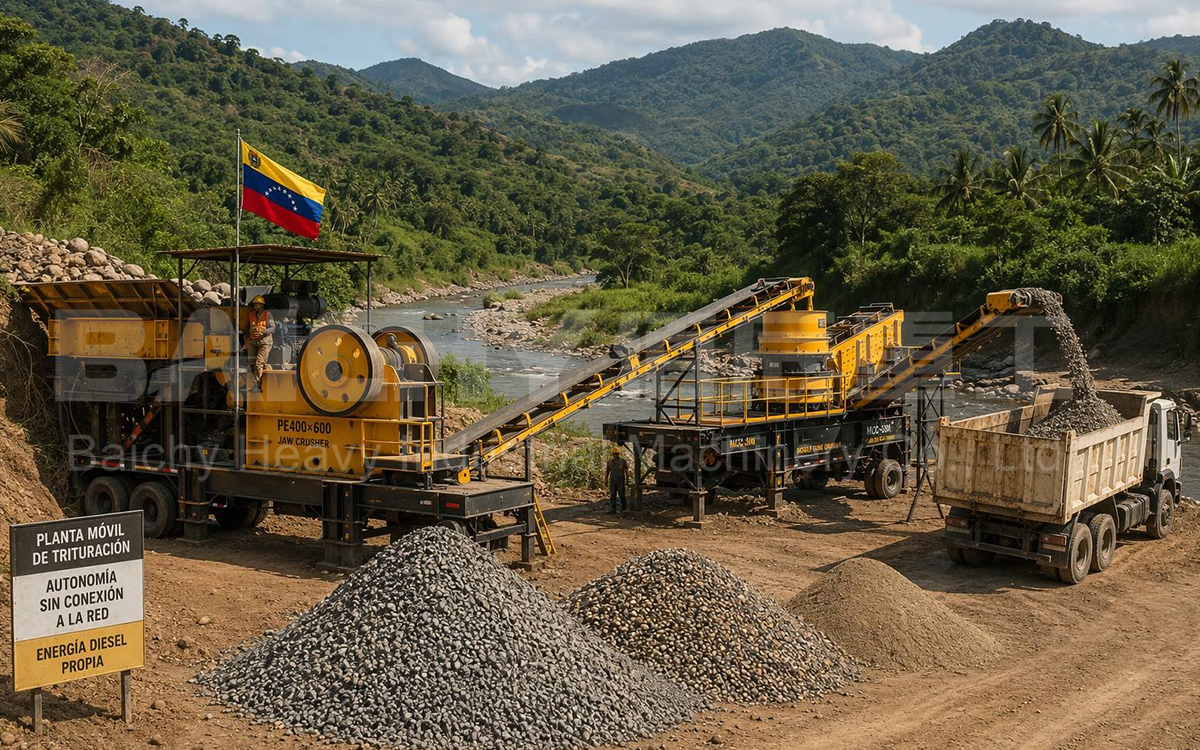
Simply put, a mobile impact crusher integrates an impact crusher as the core crushing device, along with a feeder, vibrating screen, conveyor belt, motor, and control system, all mounted on a dedicated vehicle chassis.
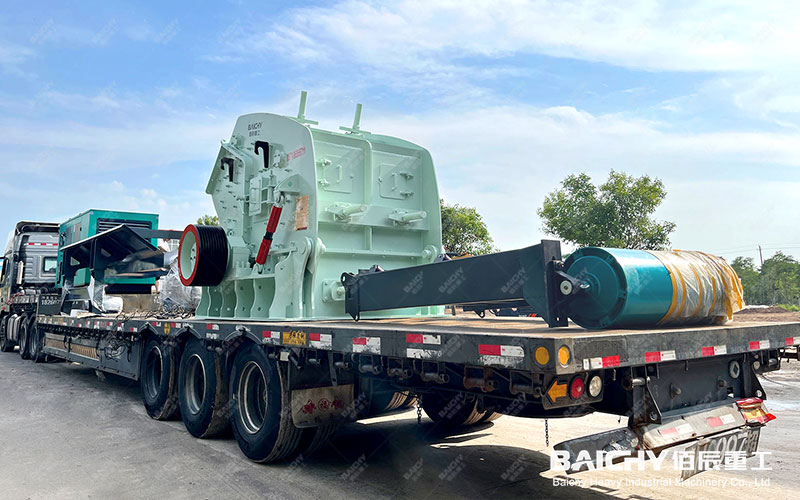
Its core advantages lie in its mobility and integration. The equipment is equipped with tracks or tires and can be directly towed to the work site by a tractor unit. No complex foundation installation is required; it can be quickly put into production after being connected to power (or starting its own diesel engine), truly achieving crushing wherever it goes.
II. Core Advantages: Why is it becoming a market favorite?
1. Unparalleled Flexibility, Reduced Relocation Costs
◦ Rapid Deployment: For short-term projects and multi-site operations (such as road construction, building demolition, and mining), mobile stations can quickly reach the site, begin production within hours, and be immediately relocated after the project ends, eliminating the enormous construction and dismantling costs of fixed production lines.
◦ On-site Processing: Particularly suitable for the resource utilization of construction waste. Equipment can be driven directly to the demolition site, turning construction waste into valuable resources, converting it on-site into recycled aggregate, greatly saving transportation costs and reducing environmental impact.
2. Integrated Production Line, Saving Space and Manpower
◦ A standard mobile impact crusher typically integrates the three core processes of feeding-crushing-screening. The output specifications can be controlled by adjusting the parameters of the impact crusher and screening machine, producing multiple specifications of finished materials at once.
◦ Compact structure, low requirement for operating space, and reduced connections between equipment, making operation and maintenance simpler and requiring fewer personnel.
3. Natural Advantages of Impact Crusher: Excellent Finished Particle Shape
◦ The working principle of an impact crusher is to use a high-speed rotating hammer to impact the material, causing it to be repeatedly crushed by impact on the impact plate. This stone-on-iron crushing method produces finished materials that are mostly cubic in shape, with excellent particle shape and low content of needle-like and flaky particles.
◦ This is crucial for the production of high-value-added aggregates such as high-standard commercial concrete mixing plants and asphalt pavement materials, significantly improving the strength and quality of finished concrete and asphalt.
4. Environmental Protection and Economy
◦ Reduced Noise and Dust: Modern mobile crushing plants are usually equipped with spray dust suppression systems and soundproof enclosures, effectively controlling dust and noise pollution during operation, thus meeting environmental protection requirements.
◦ Reduced Transportation Costs: On-site crushing reduces the number of times materials are transported from the mining point to the processing point and then to the point of use, directly reducing fuel consumption and truck exhaust emissions.
III. Main Application Scenarios: In which fields does it shine?
• Urban construction waste recycling: A classic application area for mobile impact crushers, perfectly integrating demolition-crushing-recycling.
• Highway and railway construction: Linear projects requiring frequent relocation can provide high-quality subgrade aggregate for roadbeds.
• Small and medium-sized mining: Suitable for mines with dispersed ore bodies and short mining periods, flexibly responding to changes in the mining face.
• Real estate and earthwork engineering: Used to process rock and concrete blocks generated during excavation.
IV. How to Choose the Right Mobile Impact Crusher for Your Needs?
When selecting equipment, please consider the following points:
1. Material characteristics: The hardness, moisture content, and particle size of the material are primary considerations. Impact crushers are more suitable for materials with medium to low hardness and low abrasiveness (such as limestone, concrete, bricks, etc.).
2. Output requirements: Determine the required production capacity (tons/hour) based on your project scale and timeline.
3. Power Source: Choose between pure electric drive (requires a stable power supply on site) or diesel engine drive (powerful, no site restrictions).
4. Configuration: Choose between screening before crushing or crushing before screening? Is it necessary to combine it with a mobile screening station to form a closed-loop system? This depends on your requirements for finished product specifications and efficiency.