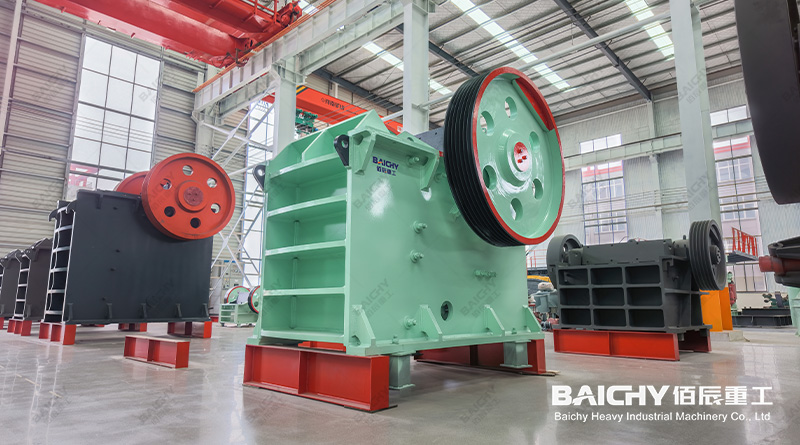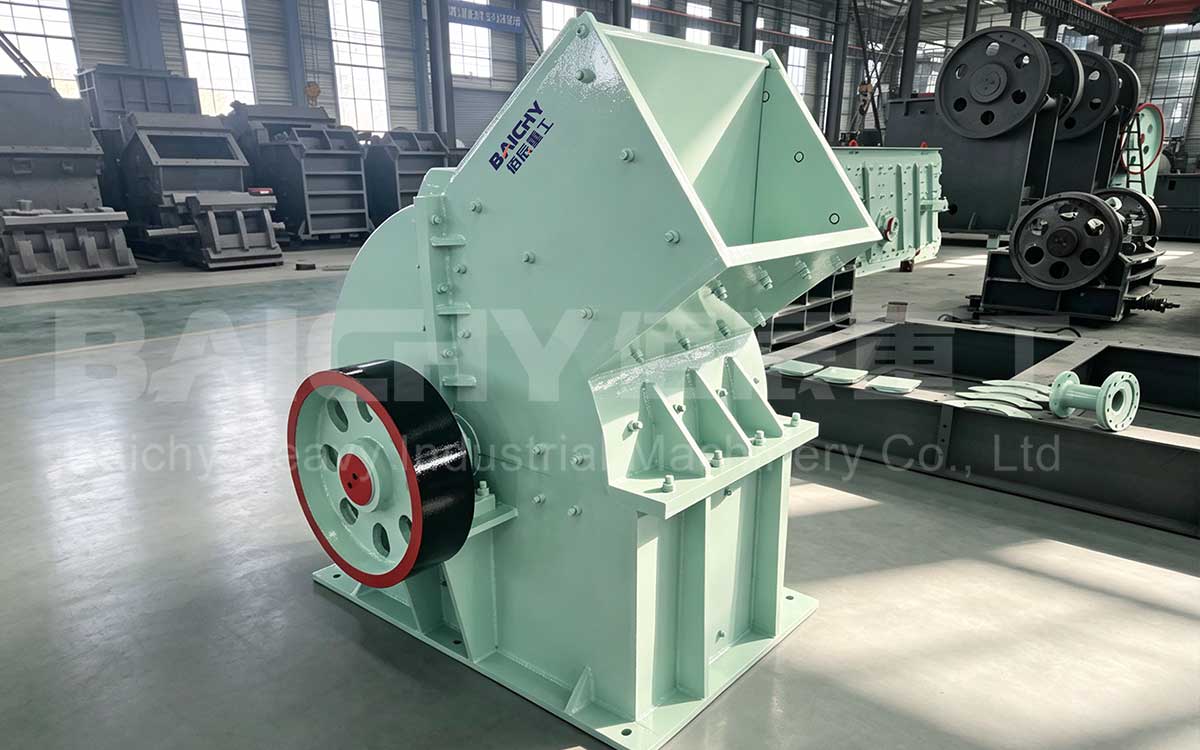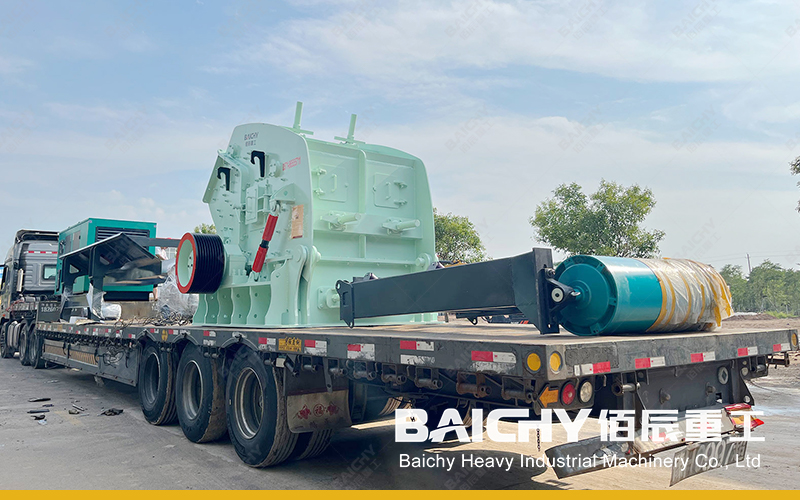
As the heart of a quarry's crushing production line, the safety of mobile jaw crushers directly impacts personnel lives and the company's economic benefits. This article provides a comprehensive safety guide from start-up to shutdown, from operation to maintenance, helping you eliminate safety hazards and achieve a win-win situation of safety and efficiency.
I. Pre-operation Inspection: Eliminating Potential Hazards Before Start-up
Sharpening the axe before chopping wood—a comprehensive pre-start inspection is the first line of defense for safety.
1. External Environment Inspection: Confirm that there are no people or obstacles around the equipment, and that the work site is flat and firm to ensure the stability of the equipment during movement and operation.
2. Equipment Body Inspection:
◦ Fasteners: Check all fastening bolts on the jaw plates, side guard plates, toggle plates, etc., for looseness, especially the tightness of the jaw plate wedges.
◦ Wear Parts: Inspect the wear of the jaw plates. Replace them promptly if wear exceeds the limit to prevent liner detachment and accidents.
◦ Lubrication System: Check the lubricating oil at bearings and other lubrication points for sufficiency and deterioration. Ensure lubrication lines are unobstructed.
3. Safety Device Inspection: Confirm that emergency stop buttons, protective covers, alarm devices, signal lights, and other safety facilities are intact and effective.
4. Power System Inspection: Check the operating status of the diesel engine or electric motor. Confirm that the hydraulic system and belt drive system are leak-free and secure.
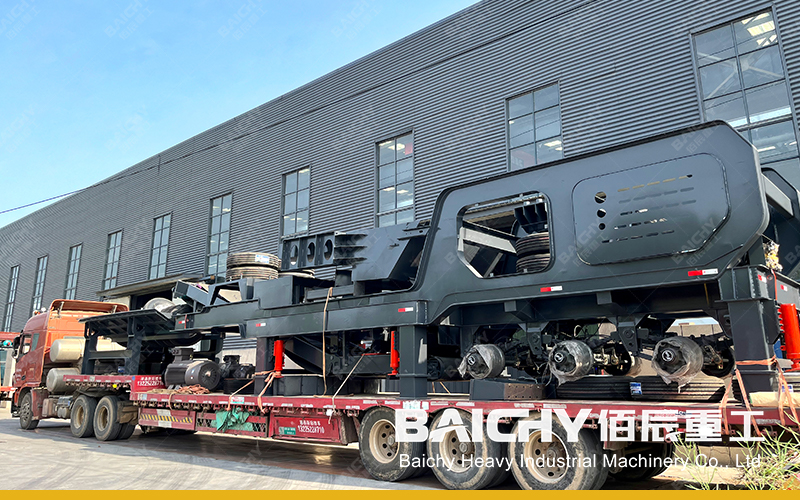
II. Operation During Operation: Strictly Adhere to Regulations and Eliminate Violations
Proper operation is the core of ensuring safety.
1. No-Load Start: The equipment must be started without material in the crushing chamber. After the equipment is running smoothly, begin feeding material evenly and continuously.
2. Feeding Regulations:
◦ Strictly Prohibited: Large pieces of material exceeding the equipment's processing capacity, metal parts, wood, and other non-crushable objects must not enter the crushing chamber.
◦ Must: Use feeding equipment (such as a vibrating feeder) to feed material evenly, avoiding lateral feeding or material blockage that could lead to equipment overload.
3. Monitoring During Operation: Closely monitor the equipment's operating sound, vibration, and temperature. If abnormal noise, severe vibration, or excessively high bearing temperature occurs, immediately stop the machine for inspection and troubleshooting.
4. Safety Restrictions: When the equipment is running, it is strictly forbidden to put hands or any tools into the crushing chamber, and it is strictly forbidden to stand or walk on the equipment. When clearing blockages or handling malfunctions, the machine must be completely stopped and the main power supply disconnected, and a Do Not Power On warning sign must be displayed.
III. Shutdown and Maintenance: Safe Completion, Preparing for the Next Startup
1. Correct Shutdown Sequence: First stop the feeder, and after all the material in the crushing chamber has been crushed and discharged, then stop the crusher. Let the equipment idle for a few minutes before disconnecting the power.
2. Locking and Tagging (Lo/To): Before performing any maintenance, upkeep, or cleaning work, the lock and tag procedure must be performed to completely disconnect the power source and prevent accidental start-up. 3. Regular Maintenance: Strictly follow the maintenance manual provided by the equipment manufacturer, regularly changing lubricating grease, checking the wear of vulnerable parts, and adjusting the discharge port size. Establish maintenance records.
IV. Common Safety Hazards and Preventive Measures
| Safety Hazard | Possible Consequences | Preventive Measures |
| Uneven Feeding or Overload | Jaw plate damage, equipment jamming, main shaft breakage | Install magnetic separator, strictly control feed size and speed |
| Missing or Ineffective Protective Cover | Personnel hit by flying debris, caught in transmission components | Regularly check protective devices, strictly prohibit operation without protection |
| Improper Clearing of Blockages | Serious personal injury accidents | Strictly follow the shutdown, power disconnection, and tagging procedures, and use special tools to clear blockages |
| Failure to Observe the Environment While Moving Equipment | Equipment tipping over, collision | Sound the horn before moving, confirm the path is safe, and have a designated person directing the operation |
Safety is the greatest benefit. Every standardized operation of the mobile jaw crusher is a responsibility to the operator's life and an investment in the equipment's lifespan and production efficiency. Hopefully, this guide will help your quarry establish a more scientific and rigorous safety operating culture and achieve truly safe production.