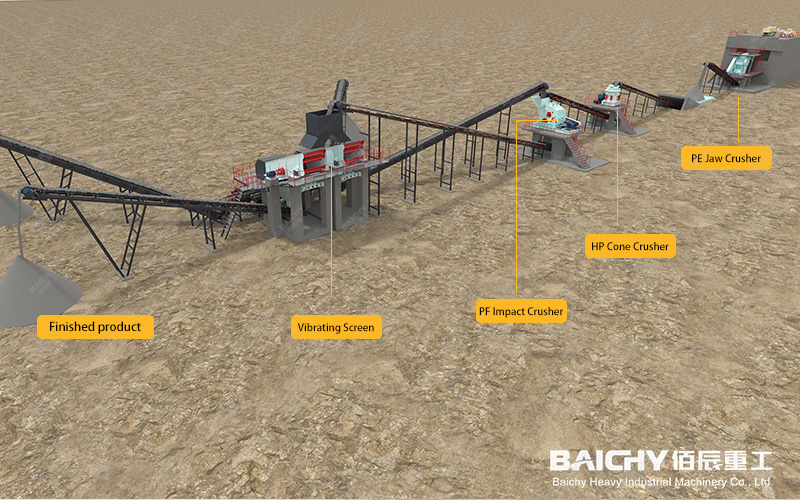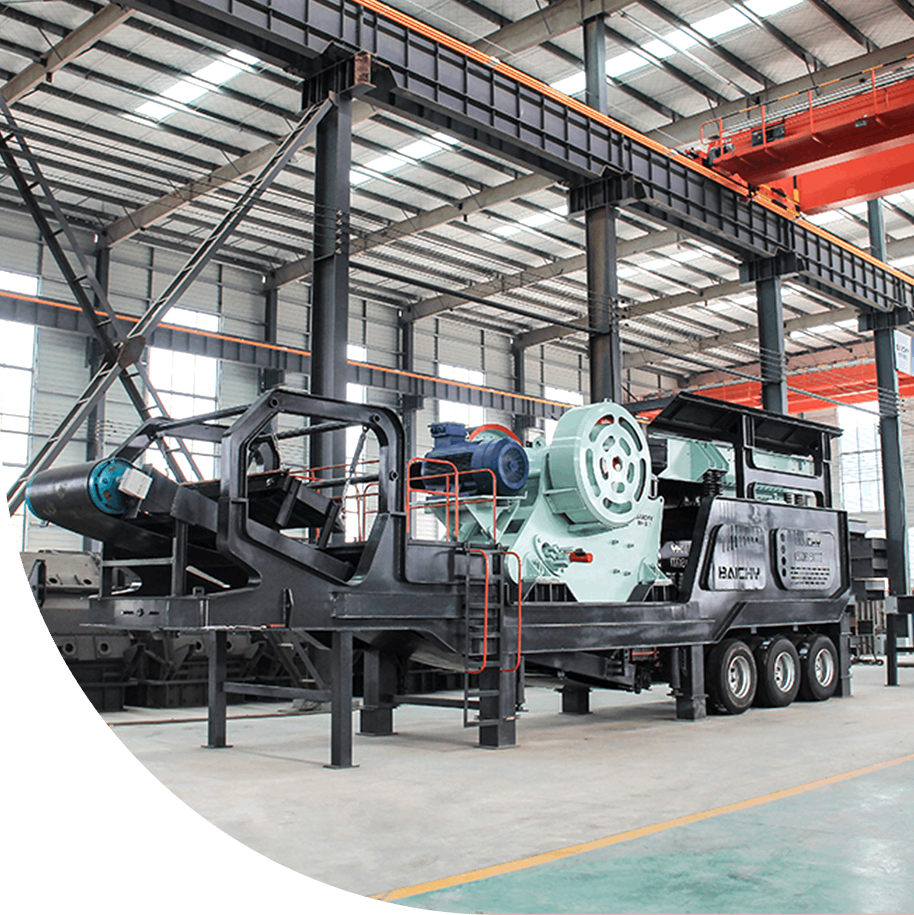

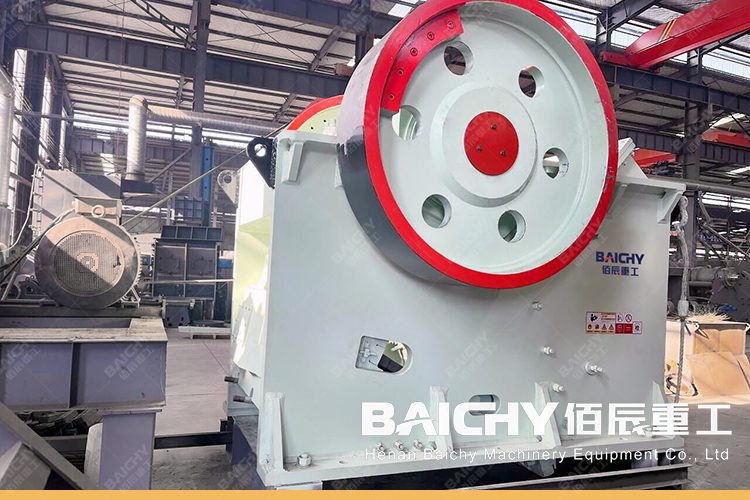
In sand and gravel aggregate production lines, the PE750x1060 and PE900x1200 jaw crushers are the main models used in the medium crushing stage. Their operational stability and efficiency directly affect the output of the entire production line.
Regular and scientific maintenance is crucial to avoiding unexpected downtime, extending equipment lifespan, and ensuring a return on investment.
This article will provide a detailed explanation of the key maintenance points for these two jaw crusher models.
I. Daily Maintenance: The Cornerstone of Prevention
Daily maintenance is the first line of defense in equipment management and must be systematized and standardized.
1. Pre-start Inspection:
◦ Fastener Inspection: Focus on checking the fastening bolts of key parts such as the jaw crusher web, toggle plate support, and flywheel cover for looseness, especially for the PE900x1200 model, which experiences higher impact loads.
◦ Wear of Vulnerable Parts: Observe the wear condition of the jaw plates (tooth plates) and check for cracks or excessive wear. When wear reaches a certain level, consider swapping or replacing the components.
◦ Lubrication: Check the oil level and quality at lubrication points such as the toggle plate seat and thrust plate to ensure adequate lubrication and freedom from impurities.
◦ Transmission Components: Check the tension of the V-belt for proper fit and for any damage; check the motor wiring for integrity.
2. In-operation Inspection:
◦ Listen for noise: There should be no abnormal impact or friction sounds during equipment operation. A loud noise may indicate a detached toggle plate, loose jaw plate, or the entry of uncrushable materials; stop the machine immediately for inspection.
◦ Observe the condition: Observe whether the equipment operates smoothly and without severe vibration. Check if the discharge port size is within the expected range.
◦ Temperature measurement: Check the temperature of the bearing housing by touch or with a temperature gun; it should generally not exceed 70℃. Bearings with a PE900x1200 bearing bear a heavier load, making temperature monitoring particularly important.
3. Post-Shutdown Cleaning:
◦ After shutdown, clean the inside and outside of the machine of stone powder and debris, keeping the equipment clean, especially the motor and lubrication points.
II. Regular Maintenance: Systematic Health Management
In addition to daily inspections, regular systematic maintenance is essential.
1. Lubrication System Maintenance
• Bearing Lubrication: Use lithium-based grease (such as #3 lithium-based grease) every 8 hours. Ensure old oil drains from the drain port.
• Lubricating Oil Change: Completely change the lubricating oil after one week of operation for new machines, and then every 6 months or 2000 working hours.
• PE900x1200 bearings are larger, requiring more lubrication and oil changes; strictly follow the equipment manual.
2. Replacement of Wear Parts
• Jaw Plate Replacement: When wear reaches 20%-30% of the original thickness, consider swapping or replacing. During replacement, check that a soft metal gasket is placed between the jaw plate and the machine body, ensuring a tight fit.
• Toggle Plate (Thrust Plate) Inspection: Check for cracks or severe wear.
• The two models of vulnerable parts have different sizes; specify the model when purchasing. Always disconnect the power supply during replacement to ensure safety.
3. Bearing Maintenance
• Bearings are core components; their lifespan determines the overall machine lifespan. Maintaining lubrication and cleanliness is crucial. If abnormal noise or excessive temperature rise occurs during operation, check and consider replacement immediately.
4. Adjustment Device Inspection
• Regularly check the wedge block or shim adjustment device used to adjust the discharge port, ensuring it is flexible and free of rust to facilitate smooth adjustment of the discharge particle size.
III. Common Fault Analysis and Troubleshooting
| Fault Phenomenon | Possible Cause | Troubleshooting |
| Stop machine after loud noise, flywheel continues to rotate | Toggle plate detached or broken; tie rod spring broken; uncrushable material enters. | Stop machine for inspection, replace damaged toggle plate or spring, clean the crushing chamber. |
| Product particle size coarsens | Jaw plate bottom severely worn. | Swap the jaw plates or replace with new jaw plates. |
| Overheating of bearings | 1. Insufficient lubrication or contaminated oil. 2. Damaged bearing. 3. Belt too tight. |
1. Add appropriate amount of lubricating oil or clean the bearing and change the oil. 2. Replace the bearing. 3. Adjust belt tension. |
| Abnormal impact noise inside the machine | Loose jaw plate fasteners; worn toggle plate support slider; worn thrust plate connection. | Inspect and tighten loose parts, or replace worn parts. |
For PE750x1060 and PE900x1200 jaw crushers, "prevention first, maintenance second" is the most efficient management philosophy. A detailed maintenance log helps you track equipment status and predict potential problems. By strictly implementing the above daily and periodic maintenance procedures, you can not only significantly reduce failure rates and downtime losses, but also maximize the potential of your equipment, creating continuous and stable value for your production line.
Take immediate action to incorporate a scientific maintenance plan into your daily management, ensuring your jaw crusher is always in peak working condition!