3. Barite Ultrafine Grinding Mill
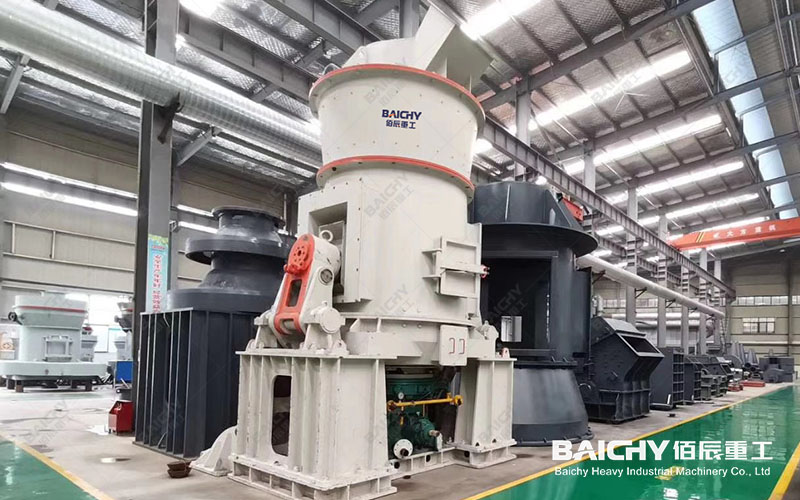
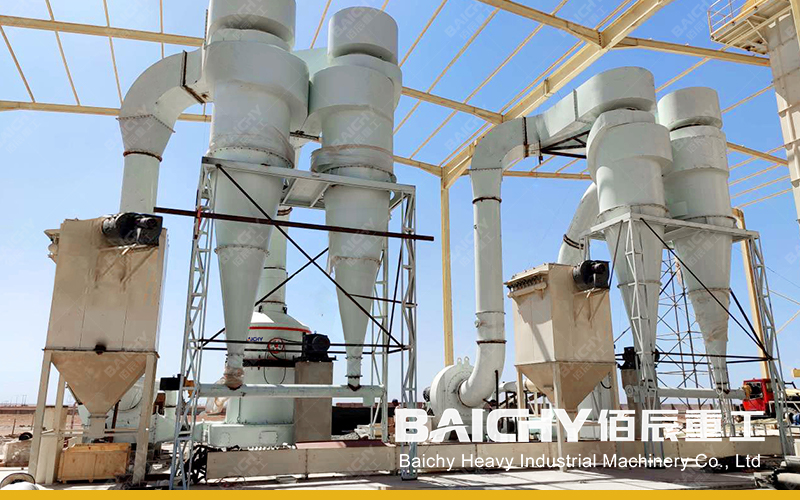
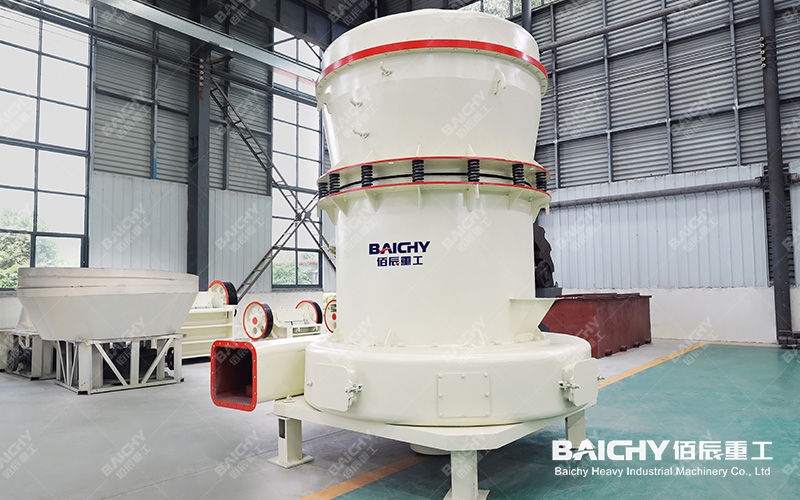
Barite Ultrafine Grinding Mill Specifically designed for high fineness, the resulting particle size typically ranges from 325 to 2500 mesh (5–45 μm), with the capability to achieve a D97 of ≤5 μm in a single pass. Featuring highly wear-resistant grinding rollers and rings, and exhibiting lower overall power consumption compared to ball mills, this equipment is ideally suited for the processing of high-value, ultrafine powders—such as those used in high-end coatings, fillers, and pharmaceutical-grade ultrafine barite—at small to medium production capacities.
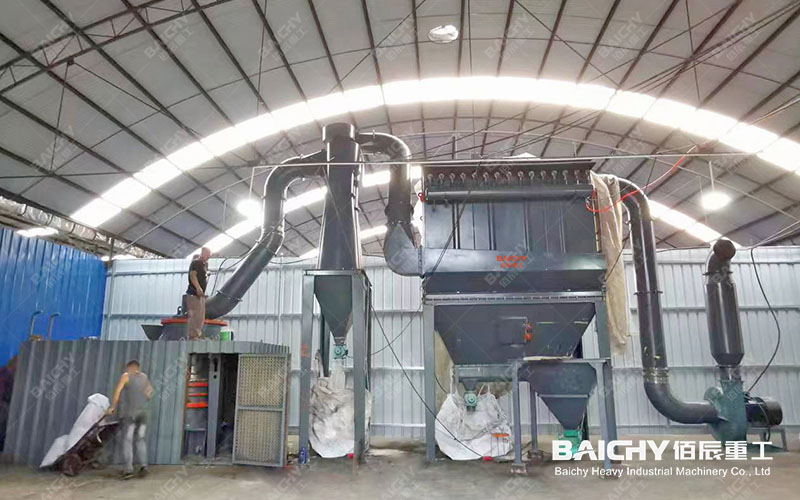
Advantages of Ultrafine Grinding Mill:
- • Barite Ultrafine Grinding Mill is widely used in the ultrafine powder processing of various minerals, including but not limited to calcium carbonate, gypsum, talc, bentonite, graphite, fluorite, phosphate rock, etc.
- • Suitable for ultrafine powder processing of non-flammable and explosive brittle materials with medium and low hardness and Mohs hardness ≤ 6.
- • The particle size of its fine powder product can be adjusted arbitrarily between 325-3000 mesh, and the output can reach 0.4-4.5 t/h.
- • The use of advanced grinding technology and design enables the equipment to be energy-efficient and reduce energy consumption during operation
Wear parts of Ultrafine Grinding Mill:
- • Grinding roller and grinding ring: directly in contact with the material and subject to huge stress and friction, they are usually made of high-durable materials such as high manganese steel or special alloy steel.
- • Seals and bearings: Exposed to dusty environments and large temperature variations during grinding operations, they require regular maintenance and timely replacement.
The modular design of Baichy machinery allows for seamless parts replacement, minimizing equipment downtime and improving operational efficiency while reducing maintenance costs.