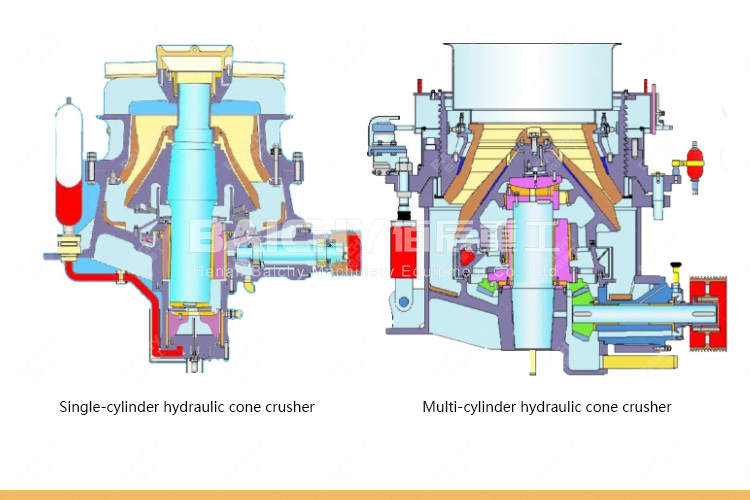
Hydraulic Systems of Single-Cylinder and Multi-Cylinder Hydraulic Cone Crushers
In mining crushing production lines, the cone crusher serves as the backbone. As industry veterans, we often hear clients focusing on the wear resistance of manganese steel liners, yet they frequently overlook the equipment's true "Achilles' heel"—the hydraulic system.
For Baichy Machinery, whether it involves a single-cylinder hydraulic cone crusher (simplifying complexity; one cylinder, multiple functions) or a multi-cylinder hydraulic cone crusher (winning through stability; laminated crushing), the health of its hydraulic system directly determines whether the equipment acts as a "money-making machine" or a "standby machine."
Today, we will set aside abstract theories. Drawing upon real-world operational scenarios involving Baichy equipment, we will break down the "Golden Rules" of hydraulic system maintenance to help you avoid those invisible cost traps.

Hydraulic Cone Crusher PDF,Download ↓↓↓
Part One: What Is Your Hydraulic System Up Against?
Although Baichy Machinery’s cone crusher hydraulic systems are advanced, they face a constant triple challenge within the harsh environment of a mine. Understanding these challenges reveals the true significance of proper maintenance:
1. Single-Cylinder vs. Multi-Cylinder: Different Structures, Identical "Pressure"
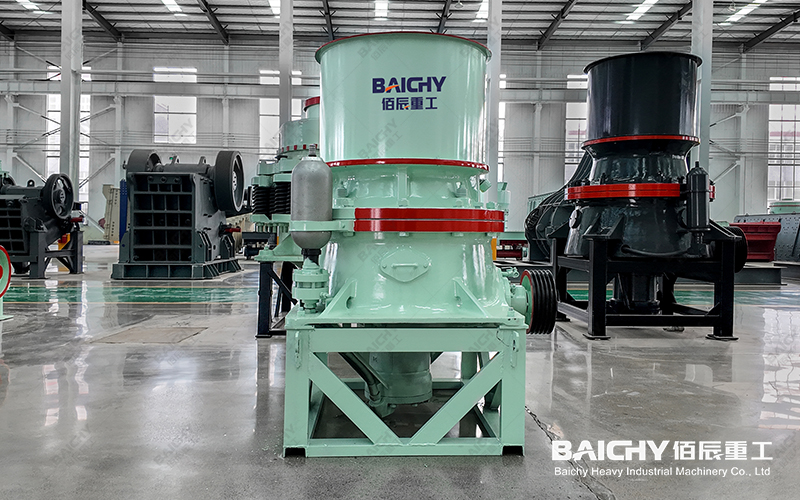
Single-Cylinder Cone Crushers
• Single-Cylinder Cone Crushers (e.g., CH Series): Feature a single bottom-mounted hydraulic cylinder that integrates four major functions: support, adjustment, locking, and tramp iron protection.
◦ Client Pain Point: While the structure is simple, it bears a "heavy burden." Should the hydraulic oil become contaminated or the accumulator lose pressure, the discharge opening will automatically widen, leading directly to a loss of control over the product's particle size.
• Multi-Cylinder Cone Crushers (e.g., HP Series): Utilize multiple independent hydraulic cylinders working in unison, driven by a hydraulic motor to adjust the adjustment ring.
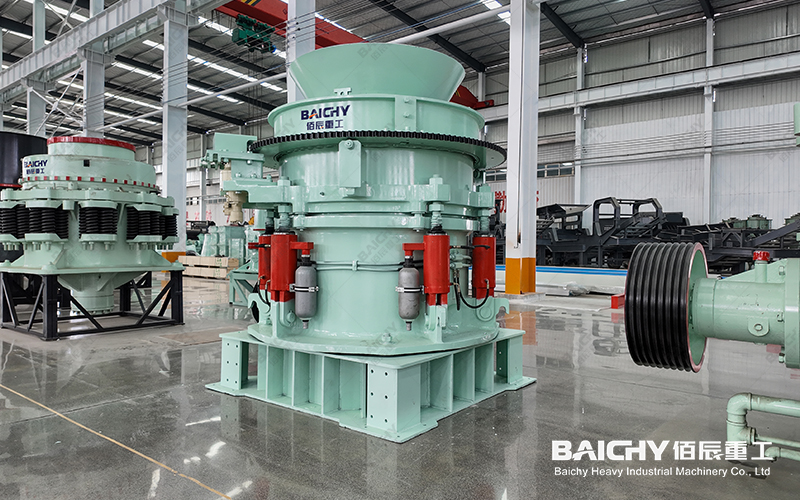
Multi-Cylinder Cone Crushers
◦ Client Pain Point: The system is more complex and involves numerous pipeline connections. Insufficient locking force or a loosened adjustment ring can trigger severe vibrations, potentially leading to cracks in the stationary cone liner.
2. Core Mission: More Than Just Power—It’s a "Bodyguard"
Regardless of whether the system is single-cylinder or multi-cylinder, the hydraulic system executes three critical, mission-essential tasks:
1. Precise Adjustment: Controls the size of the discharge opening, thereby determining whether the crushed aggregate you sell meets national quality standards.
2. Overload Protection: When a piece of iron enters the crushing chamber, the system must release pressure and lift the crushing mechanism within milliseconds to protect the high-value crushing bowl and mantle components.
3. Powerful Locking: Counteracts immense crushing forces to ensure the mechanical structure remains securely locked and does not loosen.
Part Two: Real-World Pain Points—Genuine "Distress Signals" from Baichy Clients
Based on their daily service interactions, Baichy engineers have compiled a summary of the most common hydraulic system fault warnings encountered by clients. If you experience any of the following situations, it indicates that your system is currently "operating while compromised":
| Fault Symptom | The "Invisible Killer" Behind It | Impact on Production |
| Discharge opening inexplicably widens | Insufficient locking pressure / Accumulator nitrogen leakage | Product coarsens; stone dust content exceeds limits, directly impacting selling price. |
| Slow reset after iron entry | Hydraulic oil viscosity too high / Oil temperature too low / Poor oil suction at pump inlet | Excessive time spent clearing foreign objects; financial losses of thousands of yuan per hour. |
| System oil temperature remains persistently high | Clogged cooler / Stuck relief valve / Degraded hydraulic oil | Accelerated aging of seals, triggering a chain reaction of oil leakage failures. |
| Hydraulic pump squealing/vibration | Air ingestion / Clogged filter element | Hydraulic pump burnout, resulting in repair costs amounting to tens of thousands of yuan. |
Part Three: The Golden Rules—System Maintenance Strategies Recommended by Baichy Heavy Industry
To minimize your unplanned downtime, Baichy recommends establishing a proactive maintenance system designed to "nip problems in the bud":
I. Daily Inspections: The Most Cost-Effective "Insurance Policy"
(Applicable to both single-cylinder and multi-cylinder models; requires only 10 minutes per day)
• Check Fluid Levels: The static oil level must fall between the upper and lower limit marks. If too low, it risks cavitation and pump burnout; if too high, it hinders heat dissipation.
• Check Temperature by Touch: Touch the outer wall of the oil tank; the normal temperature range is 30–60°C. If it feels scalding hot (>80°C), immediately shut down the machine and inspect the cooler!
• Check for Leaks: Pay special attention to pipe joints on multi-cylinder models and the bottom seals on single-cylinder models; not even a single drop of oil leakage should be overlooked.
• Listen for Unusual Sounds: Is the hydraulic pump emitting a sharp squealing sound? If so, it is sending out a "distress signal."
II. Periodic Maintenance: The "Investment" with the Highest Return
(This marks the piding line between average users and top-tier users.)
• Oil Changes Are Core: We recommend replacing the hydraulic oil every 2,000–3,000 operating hours or once per year. Remember: When changing the oil, you *mustsimultaneously replace both the suction filter element and the return filter element; otherwise, the new oil will be contaminated by old impurities.
• Accumulator Check-up: For single-cylinder machines, check the nitrogen pre-charge pressure in the accumulator every six months. This is the key to achieving "instant release upon passing iron" (tramp iron protection); insufficient gas pressure is akin to removing the safety fuse.
• Seal Replacement: During major overhauls or when replacing a hydraulic cylinder, *mandatorilyreplace all O-rings. Do not attempt to gamble a cylinder worth tens of thousands of dollars against a rubber ring worth mere tens of dollars.
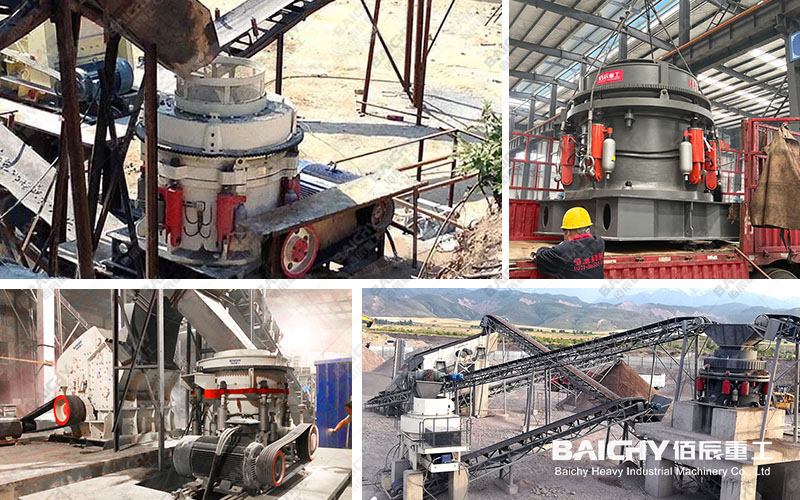
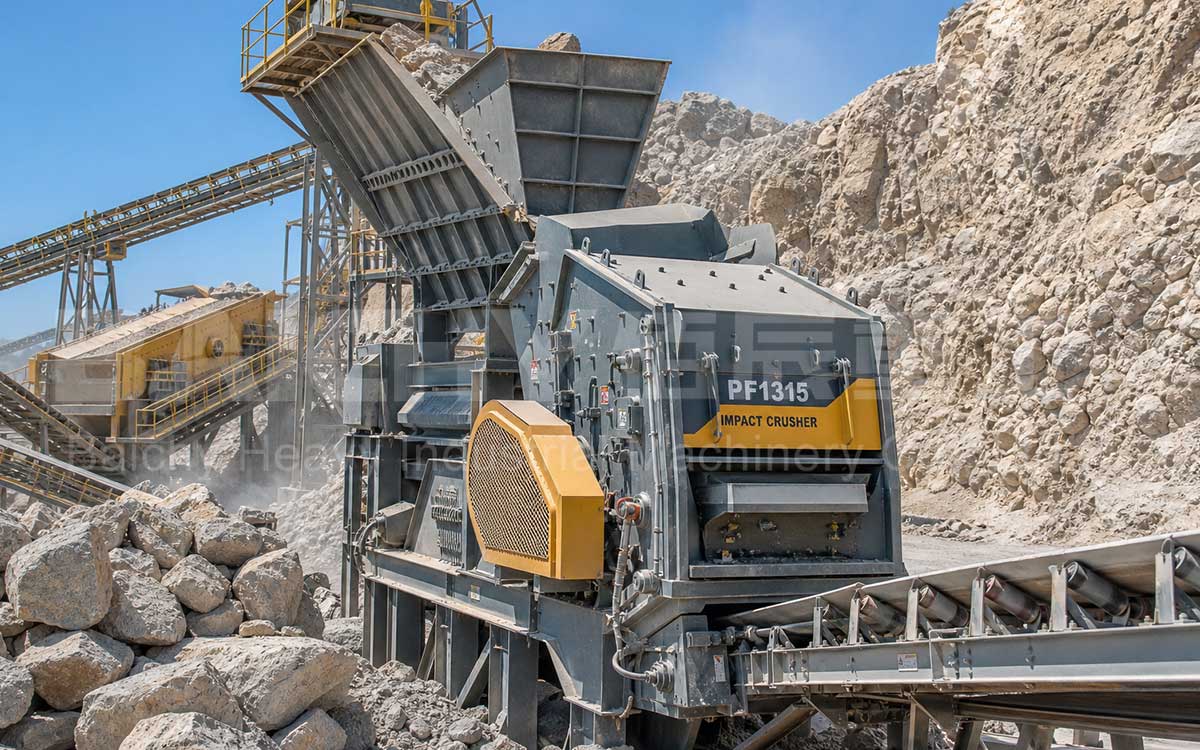
Hydraulic Cone Crusher — Customer Site
Conclusion: Investing in Maintenance Is Investing in Profit
Dear valued clients: While the steel body of a cone crusher is incredibly tough, the hydraulic oil within it is quite "delicate."
For Baichy Heavy Industry’s cone crushers, the hydraulic system serves as both the heart and the nervous system. Neglect it, and you face total production shutdowns, costly spare parts replacements, and delayed delivery schedules; prioritize it, and you will reap the rewards of consistent product granularity, high output volumes, and per-capita efficiency that far surpasses your peers.
Do not wait for an oil leak before tightening connections; do not wait for the pump to burn out before changing the oil.
Baichy Heavy Industry · Helpful Tip
If you are unsure about the current status of your equipment's hydraulic system, or if you encounter issues such as discharge port adjustment failures or abnormal oil temperatures, please feel free to contact the Baichy After-Sales Service Team. We will provide you with professional hydraulic system diagnostics and maintenance guidance to ensure your equipment remains in peak operating condition at all times.、
About of Baichy Heavy Industry
Baichy Heavy Industry is a high-tech mining equipment company integrating R&D, manufacturing, sales, and after-sales service. Focusing on crushing, grinding, and mineral processing equipment, we provide professional solutions to our customers. We are ISO9001:2015 、certified, and our products include mobile crushing palnts, crawler crushing plant, construction waste crushing plants, jaw crushers, sand making machines, cone crushers, fine crushers, grinding mills, ball mills, etc., all with reliable performance to meet diverse project needs.
Our advantages:
• Professional pre-sales support: Free project design and comprehensive solutions to help you accurately select the right equipment;
• Comprehensive on-site service: Providing installation guidance and worker training to ensure smooth equipment commissioning;
• Reliable after-sales guarantee: A complete after-sales system, timely response to technical inquiries and equipment maintenance, ensuring long-term stable operation.
To protect your rights, please contact us through the following official channels for professional service:
Official Website Customer Service
https://wa.me/+8615093222637
Email: [email protected]
We are committed to providing high-quality equipment and full-cycle services to deliver comprehensive intelligent solutions for the global mining industry!
Frequently Asked Questions (FAQ)
1. Why does the discharge port on my single-cylinder cone crusher (e.g., the CH series) inexplicably widen during operation, resulting in a coarser product size?
A: This is typically *nota problem with the adjustment system, but rather a signal of insufficient locking force. There are two primary causes: First, a loss of nitrogen pressure in the hydraulic system's accumulator, which prevents effective buffering and locking; second, an insufficient oil level or contamination of the hydraulic oil, leading to inadequate oil supply from the pump. It is recommended to immediately shut down the machine to check the accumulator pre-charge pressure, and to replenish or replace the hydraulic oil in accordance with standard specifications.
2. Why is the reset speed of Baichy's multi-cylinder hydraulic cone crushers (such as the HP series) so slow—sometimes even requiring manual assistance—after encountering tramp iron (metal objects)?
A: This situation is typically caused by excessively low oil temperatures or the use of hydraulic oil with an unsuitable viscosity. At low temperatures, the oil becomes viscous and exhibits poor flow characteristics, resulting in a slow retraction of the hydraulic cylinders. Additionally, if the suction filter element is clogged, it can hinder the pump's oil intake, preventing the system from generating sufficient pressure. It is recommended to preheat the system before startup or to check whether the filter element is due for replacement.
3. When the hydraulic system's oil temperature frequently exceeds 80°C, what are some often-overlooked causes—aside from a clogged cooler?
A: A clogged cooler is often merely a symptom. The underlying causes are frequently a stuck relief valve or a system pressure setting that is excessively high. When the system operates in a high-pressure overflow state for extended periods, it generates a significant amount of heat. Furthermore, the use of substandard hydraulic oil—specifically oil with inadequate oxidation resistance or an insufficient viscosity index—can exacerbate heat generation through friction. It is recommended to regularly monitor the quality of the hydraulic oil and to calibrate the system pressure.